Being fat is hard, so I amputated my stomach
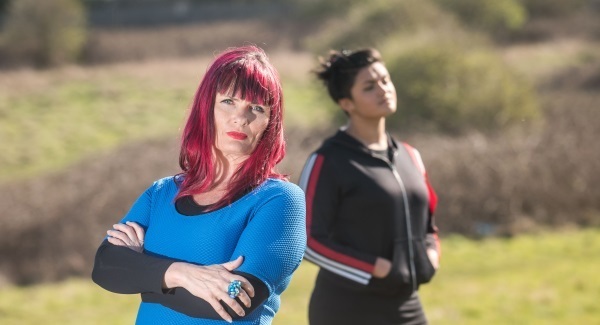
In the BBC’s Who Are You Calling Fat?, in which nine people living with the morbid end of obesity get together in a country house to discuss the issues this brings up, like fatphobia and body acceptance and diabetes and all that other fun stuff, one of the participants is adamant that “health is a social construct” and when it comes to obesity “the science is bogus.”
She refers to another contestant, who has had bariatric surgery, as having had his “stomach amputated.”
Six months ago, I had my stomach amputated. A sleeve gastrectomy meant that 85% of it was cut out, leaving a tube the thickness of a thumb, instead of a pouch that can hold up to 4 litres. Since then I have lost three stone, without even trying.
Apart from finding the cash and travelling abroad to have it done for half the price of Ireland or the UK, the entire process has been effortless — painless, effective, without side effects. I can eat what I like, just in far smaller amounts.
There is no craving, no bingeing, no mental obsession.
I finally have an off button. The mental freedom is glorious.
I did this not because I hate my body, but because I love it. Not because I am weak-willed or uninformed or lazy or all those other words we throw at people who are fat / obese / overweight / whatever is this week’s terminology; but because certain combinations of food made me want more, more, more.
And those combinations are not broccoli and quinoa. When it comes to fat, starch and sugar, my brain lights up like a pinball machine, the way it used to with alcohol, before I stopped drinking.
Yet you can’t stop eating, no matter what the breatharians tell you.
Why don’t you just go to the gym like everyone else
- huffed my teenage son.
I reminded him that I have been going to the gym, walking, cycling, swimming, practising hot yoga, eating vegan for years and years; that obesity is like any other addiction, except more visible, that if the gym worked I wouldn’t be going to effing Estonia to have my stomach amputated.
Obesity — and treating it — remains toxically enmeshed with social and cultural attitudes, fattism, judgementalism, why-don’t-you-ism. Yes, going from obese to non-obese feels fantastic (my yoga practice is no longer impeded by my own body fat getting in the way), and I don’t miss that inner critic shouting at me that I am too fat.
But. But, but, but. Blaming individuals living with obesity for being lazy, greedy, lacking will power etc is like blaming plastic straws for climate breakdown. It’s bigger than that. Much of our food is adulterated,processed, monstered. The science is very far from bogus — fake food makes us fat, because it induces craving.
Just ask any sugar-addicted lab rat. We urgently need affordable treatment for people trapped in obesity, and less crap on supermarket shelves. And for our attitudes to evolve from judgement to understanding — being fat is hard work.
CONNECT WITH US TODAY



Be the first to know the latest news and updates