Be picky with the flowers you pick
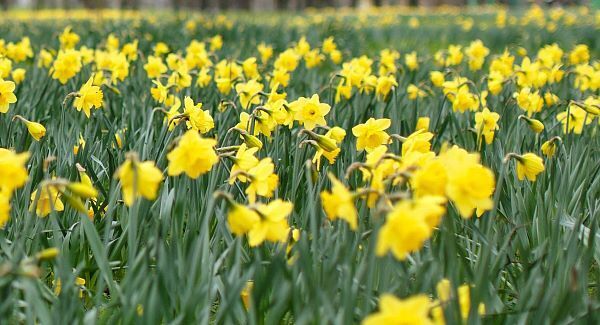
Daffodils and other plants are starting to emerge, seemingly earlier with each passing year and mild winters. But, many of our wild plants are under threat, with a report from the Department of Arts and Heritage classifying 106 native plants as endangered.
Globally, one in five plants is under threat of extinction, according to authorities such as Kew Gardens, in London, and the International Union for Conservation of Nature (IUCN).
And it’s all due to the activities of humans, including changing agricultural practices, mowing of roadside verges, drainage schemes, overgrazing as well as housing and urban growth. As the world’s population continues to explode, less and less space is available for nature in all its forms.
The recent report here looked at 1,211 different plants, ranging from the largest trees to the smallest wild flowers, grasses and ferns, and found that 106 (8.8%) are in the IUCN red list category.
Plants such as the bog orchid and the Killarney fern had already been listed as endangered by the Botanic Gardens, in Glasnevin, while a plethora of plants, like the wild asparagus and the dandelion, were put into the vulnerable category. At least nine plants have become extinct, including pheasant’s eye and purple spurge.
Picking wild flowers is a traditional pastime for many people and it may come as a surprise to many that this is being discouraged by conservationists. Authorities in the Botanic Gardens say excess picking has been a factor in the decline of certain species such as the Killarney fern.
They say even common species such as bluebells are now threatened by over-picking. They also point out plants in nature reserves and national parks are protected and should never be picked. Our rarest species are protected under the 1999 Flora Protection Order, which also includes a number of mosses, liverworts, lichens and algae.
These plants are protected through management of their habitats, often involving the continuation of traditional farming practices as is happening in Burren, for example. Outside these areas, it is important to maintain features of the landscape that serve as refuges for wild plants, such as hedgerows, ponds and roadside verges.
Road verges can be a refuge for wild flowers driven out of farmland and, in parts of England, people have been nurturing such refuges.
In Ireland, many people take justifiable pride in keeping their lawns trim by regular mowing, but there’s no reason why discreet corners of lawns and back gardens can’t be left alone and set aside for wild flowers which support birds, bees and other wildlife.