Universal care is still a noble target - Confusing health cover costs
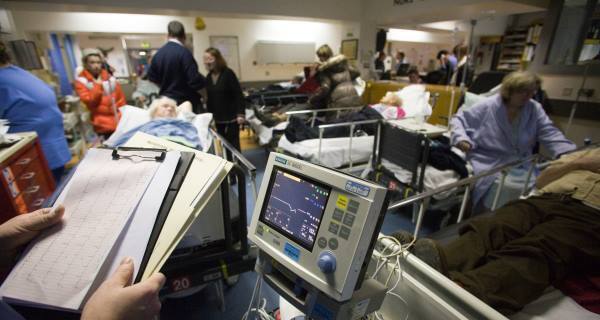
Grand, determined efforts at reform — like the last Government’s promised but quietly forgotten universal health care, struggled to get out of the starting blocks much less make the finishing line. So great is the challenge that the office of minister for health has become the apex rite of passage for those with the highest political ambitions. The Maasai once sent young men to kill a lion with a spear before they could be recognised as a warrior, we send young, promising politicians to Hawkins House — and the lion wins more often than not.
This unevenness, the dreaded prospect of waiting months, sometimes, indeed too often, years, for an appointment to see a specialist in a public setting is a gold-plated gift to the health insurance industry. The fear, the uncertainty and vulnerability these delays can provoke, means that more or less anyone who can afford health insurance buys it — irrespective of suggestions that it may be unnecessary.
This is especially so as people get older. The prospect facing tens of thousands of people dependent on pensions hollowed out by the banking collapse, of not being able to pay premiums, is unnerving and symptomatic of a skewed system. The collective benefit system that they supported through their working life may now be beyond them and this seems at least inequitable. That so many others — those who always relied on the public system — are in that position is of little or no consolation. It may seem uncaring to suggest that but it is an unattractive reality of our world.
This prospect is exacerbated by many things — especially the public hospital charge intended to force insurers to cover the full cost of their customers in public hospitals. Another driver of health inflation is the confusion, the deep almost impenetrable confusion, around what a person happy to pay this super tax — what else is it? — is actually getting, or, more importantly, actually needs.
An industry survey suggests nearly half of those buying health insurance pay too much — an average of 19% too much — because they do not consider or understand all of the options. This is hardly a radical discovery, as anyone who has tried to work their way through the various, sometimes contradictory, offerings will confirm. Many of those who have tried would gladly swap places with the Maasai teenager facing a pride of lions rather than do it again.
It might disadvantage the insurance sector and offend the market gods we so venerate if companies were obliged to offer similar, defined packages and then compete only on price, but it would be a revolutionary step forward for consumers.
We are not the only country struggling to have a good, reliable and easily accessed health system — the huge difficulties faced by Barack Obama in trying to achieve that objective are among the defining struggles of his presidency, of American politics and society. Despite that, the idea of universal health care, where everyone is treated equally, quickly and properly remains a noble one. Unfortunately, it is also one probably beyond our fractured parliament.

CONNECT WITH US TODAY



Be the first to know the latest news and updates