Public sector pay wars - Polarisation may spawn a Thatcher
One route will shape this society in a sustainable, equitable way, hopefully making it something closer to the treat-all-of-the-children-equally ideal weâve spent the last year celebrating.
Choosing that route will require a resolve that may already be beyond the reach of a minority Government dependent on the kindness of erstwhile opponents.
If another route is chosen that decision will have the capacity to divide us further and make this society ever more like a two-tier, if not three-tier, community where different rules and possibilities apply to different workers and citizens.
This gulf is best, though not entirely, illustrated by the contrasting security and expectations around pensions and job security facing private or public workers â or people without any worthwhile work at all.
That topple-the-domino route has the potential to make the job of minority Government all but impossible. The choices made over coming weeks will define the integrity of our democracy as much as they define our approach to economics and the use of scarce public resources.
Unsurprisingly, the public sector unions, and in this instance the Garda âassociationsâ must be included, believe absolutely in the justice of their cause. Their belief is founded on the pay cuts gracefully accepted during the recession.
These cuts were amplified by the unfair arrangement that means some recent public recruits are paid less than colleagues employed earlier.
If that was the only issue in play these matters could be resolved in an afternoon but pay claims, even if dressed up as ârestorationâ, north of 16% point to the real, impossibly expensive part of the agenda.
The public sector workersâ peers in the private sector, for many of whom pay restoration is as strong a possibility as Shergar winning the 4.45 at Punchestown tomorrow, can only look on in growing anger, anger on a par with that provoked by the infamous hole-in-the-wall benchmarking swizz.
For many of them the recovery of vanished pensions â and pillaged pension pots â would put the Lazarus miracle in the haâpenny place.
This reality cuts all the deeper as the possibility of public sector pensions evaporating, or even costing what they would on the open market, makes Shergarâs victory in tomorrowâs 4.45 pretty close to a racing certainty.
None of this is news but can anything be done to stop, or at least minimise, this polarisation threatening our flimsy idea of a common purpose?
After all, the countryâs taxpayers deserve to be told why it is a good idea to borrow even more money to make decent pay scales even more unaffordable, pay scales and conditions many of them can only dream of.
One lesson from recent history makes some effort at one side better understanding the other better an imperative.
Britain was all but destroyed by industrial unrest in the 1970s and 1980s.
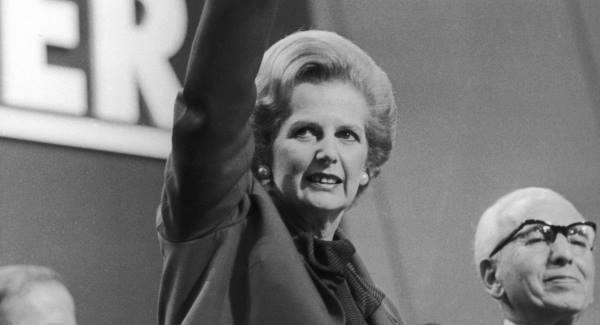
This brought Margaret Thatcher and neoconservatism to power. We are still suffering the consequences â Brexit is one â of that calamity. If public sector demands continue to escalate then donât be surprised if Ireland is afflicted with its own Iron Lady. What a fate that would be.








