Lives defined by random fate - Poverty and inequity
Political ambitions play a significant role too, otherwise, we might occasionally get some tough love rather than a veneer of jam aimed at placating, if not silencing, everyone — everyone — who thinks they deserve more.
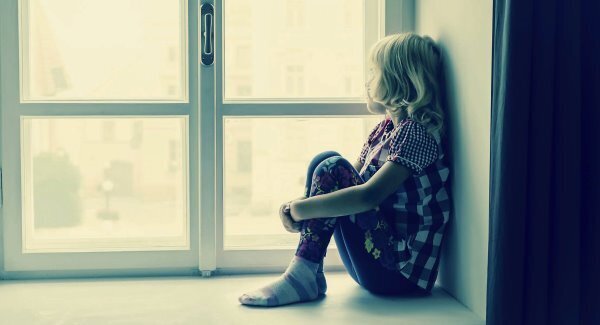
The publication yesterday of Cherishing All the Children Equally? Ireland 100 Years on from the Easter Rising, a study by the ESRI, considered the consequences of poverty and family background for Irish children. Unsurprisingly, it found that a child’s well-being and prospects of maximising their talents depends, to an inordinate degree, on their parents’ material standing and social circumstances. A child from a poor or even struggling background is likely to be less accomplished in reading or writing than a peer who enjoys, through fate and nothing else, more comfortable surroundings. This is hardly news but that it is still the case a century after we swore to treat all of the children of the nation equally shows how intractable the problem is and how inadequate our efforts to resolve it have been.
It seems realistic to accept that a percentage of children will always struggle to enjoy opportunites many of us reagard as routine, but our great challenge is to reduce that percentage to something far lower than it is now.
CONNECT WITH US TODAY



Be the first to know the latest news and updates