Irish politics reduced to a sad charade - Making our democracy real again
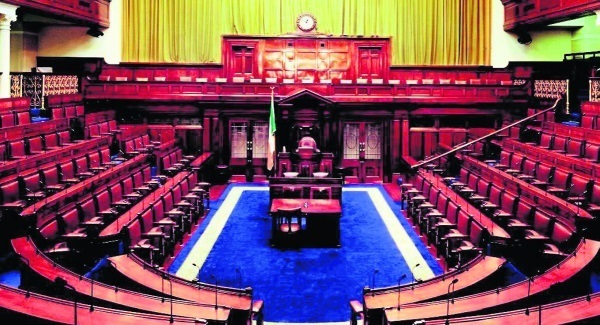
Yet, the evidence is all around us and very well rehearsed. The grave doubts on two White House candidates; Putin’s latest election victory and growing assertiveness; ongoing instability in Spain; Brexit; intractable conflict across the Middle East and the refugee crisis that generates; the stability of the euro; the legitimacy of the EU; multinational corporations more powerful than governments and the resurgence of right-wing nationalism in countries once committed to international solidarity and co-operation.
These issues seem so remote that it is absolutely understandable that, this bracing September morning, far more Irish people are concerned about getting tickets for the football final replay than trying to resolve any of these challenges. How could it be otherwise? The very scale of the issues, the unfathomable depth of conflict, and probably most of all, the inability of citizens to influence affairs in even the slightest way is chilling. This sterility, this enforced marginalisation, is the very root of the scepticism destroying hard-fought-for democracy — remember 1916?


Read

Listen

Watch

Play
CONNECT WITH US TODAY



Be the first to know the latest news and updates


Revoiced
Newsletter

Had a busy week? Sign up for some of the best reads from the week gone by. Selected just for you.

Check out our diverse library of newsletters and get the best of the Irish Examiner delivered straight to your inbox
Most Read
Tuesday, October 27, 2026 - 11:00 AM
Tuesday, October 27, 2026 - 12:00 PM
Tuesday, October 27, 2026 - 8:00 AM