Bankers caused pain and damage to us all
Except in Iceland and, more recently, Ireland.
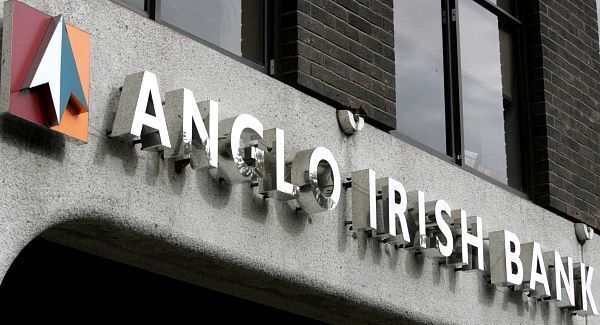
Three senior Irish bankers have been given prison sentences ranging from two years to three and a half years for their part in a €7.2bn conspiracy to mislead the public about the true financial health of Anglo Irish Bank.
If those sentences seem harsh for a so-called ‘white-collar crime’, just consider what these men did and the lives of innocent people that their activities affected.
“By means that could be termed dishonest, deceitful, and corrupt they manufactured €7.2bn in deposits by obvious sham transactions,” the sentencing judge, Martin Nolan, told Dublin Circuit Criminal Court, describing the conspiracy as a “very serious crime”.
Yet it was open to Judge Nolan to jail each of them for up to 10 years so the question must be asked how serious must a serious crime be to attract the maximum sentence?
Of course, a jail sentence is not entirely punitive and must allow for the possibility of rehabilitation, but it should also act as a real deterrent to others.
The lightest sentence was two years given to John Bowe, Anglo’s former head of capital markets, which means that he could be effectively a free man in little more than a year if he gets the customary time off for good behaviour.
Contrast that with the blighted lives of those customers, citizens, and taxpayers directly affected by the Anglo conspiracy and its subsequent collapse.
It should be recalled that he is one of the bankers who could be heard joking on taped telephone conversations during the height of the crisis in 2008, tapes which did not come to light until 2013.
Bowe, who had been involved in negotiations with the Central Bank, could be heard laughing and joking as he told another senior manager how Anglo was luring the State into giving it billions of euros.
The fallout from Anglo did not just cost us our economic sovereignty. It brought enormous hardship and distress to many people, most of them investors with modest means who could ill afford to lose what money they had.
Some people lost their jobs, their homes, their pensions, their marriages, their families and — in the most extreme and tragic cases — their lives as, unable to cope, they decided to end it all.
It is, of course, important that these senior bankers will be deprived of their liberty, something that has not happened in other countries such as Britain and the US, where reckless lending and a bonus culture in the financial industry prevail.
Iceland, by ways of contrast, jailed 29 of its rogue bankers, with minimum three-year sentences.
The human cost of the fallout will continue for decades while each of these men will be able to return to their families within a few short years.











