New charges fiasco seems probable - Pay-by-weight system
On a personal level, he can take pride in the fact that he was the first Fine Gael Taoiseach re-elected and that he revived a party spiralling towards irrelevance. That he defied all expectations to do this, that he was completely underestimated, may deepen his sense of personal achievement. His greatest achievement, however, is that he and his Labour partners delivered something close enough to an economic miracle over the lifetime of the last Government.
It is not too difficult to imagine which issue will top the negative side of the ledger. The cringe-making political and administrative farce around the establishment of Irish Water was, and continues to be, the greatest failure in the implementation and non-delivery of an entirely legitimate public policy in recent decades. So great was the fiasco that it, like the idea of gun control in America or European solidarity in Britain, became a rallying point for discontent, anger and a new level of contempt for a discredited establishment. This failure and the capitulation it spawned, defined the shape of today’s Government. It is the root cause of our “new politics” which is, in the cold light of day, something more like the committee that set out to design a new, better horse but created a camel rather than a renewal of democracy.
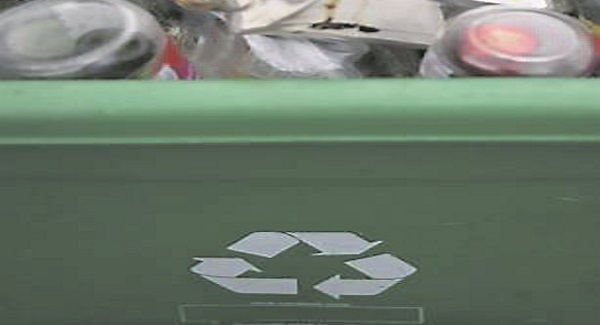
And, almost unbelievably, it seems we are about to go through it all again. New pay-by-weight refuse charges are set to re-energise the strident, nihilistic populism that means we still cannot fund repairs to our clapped-out water delivery infrastructure. Just like water charges, the refuse charges flow from the EU and reflect the norm in European societies where the idea of paying for a service is accepted as rational, responsible behaviour.
When refuse charges were first introduced they led to criminal behaviour that probably cost far more than was ever collected. Fly-tipping became something like a new national sport and local authorities faced huge bills to clean up this DIY waste disposal. It is not an exaggeration to say that swathes of our countryside were desecrated by guerilla dumpers. Others decided that a back-garden incinerator was the answer and, illegally, burnt rubbish. So many people used public rubbish bins that many of them had to be removed. Still more civic-minded people used manholes to try to wash away refuse that should have been put in bins. More sophisticated dodgers shredded waste before trying to flush it through sewers. All of this meant huge repair bills for local authorities. Even before the process begins, there have been suggestions that waste companies have formed a cartel to maximise profits. It seems that requirements of the new system may be too onerous for some smaller collectors and that the larger companies will in time control the market.
It is hard to think that it will not all end in tears, especially as so many still imagine such services are a right rather that a facility that must be paid for. That the Government is already enfeebled adds to that sense of apprehension.
CONNECT WITH US TODAY



Be the first to know the latest news and updates