Scourge of the midges during an Irish summer
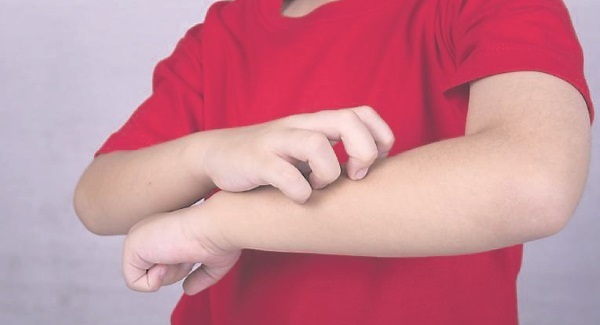
The scourge of the Irish summer can ruin a morning, or evening, in the outdoors and it hunts in packs in areas close to water and on the hills. Our damp, humid conditions provide an ideal breeding ground for the midge, as we’ve experienced already this summer.
Tourists frequently complain about it and they have no advance warning of what awaits them. When they’re bitten, some visitors reckon it’s a mosquito attack but, we’re assured, mosquitos and midges are scarcely 31st cousins and there’s no known disease transmission from midges, according to the Wicklow National Park authorities.
A single midge is almost invisible to the human eye, measuring 1mm with a wingspan of less than 2mm. It’s the female which attacks, as she requires blood to help form her eggs. Research has found a swarm can inflict about 3,000 bites in an hour, while 40,000 midges can land on an unprotected arm over the same period. Midges also target other animals.
Midges are also a serious irritant to people in Scotland and, as Scotland Outdoors recalls, Queen Victoria was forced to abandon a Highland picnic after complaining of being ‘half-devoured’ by the beasties in 1872. Wonder if she had a similar experience when she visited the Lakes of Killarney, in 1861. We can testify midges are still thriving in Killarney, Co Kerry.
Midges prosper around stagnant water and bog pools and are, therefore, most active on calm, cloudy and moist days. They don’t like strong sunlight, dry air or wind. They tend to be most active at dawn and dusk but can be prevalent at other times during the day if the conditions are right. Staying in one place will quickly result in biting midges gathering around you, which can result in intense itch and swelling. So, it’s best to keep moving.
There are repellents available, which help deter them. Most have a chemical component called deet. Herbal repellents contain extracts such as bog-myrtle and citronella.
When midges are active, the advice is wear full arm and leg cover and a hat preferably of a light colour, as midges are attracted to dark colours. They can also be kept off by using a head net designed for midges: mosquito nets are not good enough. Perhaps staying indoors is the best solution.
Bats, which pose no threats to humans, do us a useful service by consuming huge numbers of insects, including upwards of 3,500 midges on a summer night by single bat.


CONNECT WITH US TODAY



Be the first to know the latest news and updates