We must protect red pandas
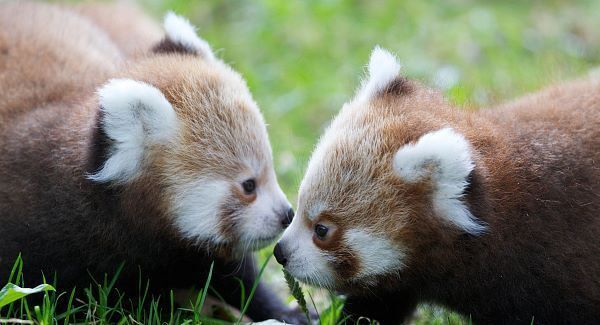
The panda population âis believed to have declined by 50% in the past 18 yearsâ, she notes in the current edition of Zoo Matters. This endearing mammal, known as the fire-fox in China on account of its red fur, âfaces a myriad of threatsâ.
The âlittleâ panda, though not as famous as the âgiantâ one, is a favourite of zoo visitors everywhere. There is no evidence that the two species are related. The larger animal is fundamentally a bear. The great French zoologist Georges Cuvier, who first described the fire-fox, placed it among the racoons; its molars are similar to theirs. DNA analysis suggests relationships with racoons and with weasels but the species is now put in a family of its own. The red pandaâs ancient ancestors were found throughout the northern hemisphere but, ironically, they werenât in China.
About the size of a fox, this chubby short-legged creature has a thick hairy coat, a long bushy tail and rounded white-tipped ears. The rich colour, surprisingly, provides excellent camouflage in the pandaâs forest home. This cuddly teddy, sleeping curled up in the fork of a tree, looks friendly but itâs not touchy-feely. Solitary and avoiding people, it may bite if molested. The retractable cat-like claws are long and sharp.
Native to China, Burma, and Nepal, the fire-fox renounced the omnivorous life-style of its ancestors for the gastronomic delights of the bamboo. Pandas have a sixth finger, really an elongated wrist bone, to help them grasp the stems of the giant grass. Apples, pears, bananas, and the occasional rodent are also eaten.
A panda consumes about 30% of its body-weight in bamboo daily. Only a quarter of the plantâs nutrients are absorbed and weight-loss in winter can reach 15%. Energy must be conserved, therefore, and this may be why red pandas appear slow-moving and lethargic. These tree-dwellers mate on the ground. One to four cubs will remain with their mother for at least a year. Like a domestic cat, she will carry them to a new nest if danger threatens.
Highly specialised creatures prosper if their environment remains stable. However, they find it difficult to cope when conditions change radically. Panda habitat was secure for countless millennia, but then the human population increased dramatically in Asia. People need space to grow crops and keep livestock. Bamboo forests are being cut down to provide agricultural land. Pandas are hunted illegally for their fur and flesh. Unable to cope with such threats, these specialists are in trouble.
According to Sandra, about 700 pandas live in zoos worldwide. If numbers in the wild continue to declines, zoo-bred animals may be released to supplement the population. Reintroducing captive-bred animals is difficult. Used to being pampered in zoos, and unable to avoid predators, they have difficulty adapting to wild conditions. Of 300 giant pandas raised in breeding centres, only three have been released successfully.
An incident in 2004, however, suggests that captive-bred fire-foxes might fare a little better. Panda brothers Babu and Tensing escaped from Cannon Hill Nature Park near Birmingham. Tensing missed home comforts so much he turned himself in. Babu, however, couldnât resist the attractions of suburbia. He was four days on the loose before a local girl tracked him down and alerted his keepers. Retrieved from a tree, he was reunited with his brother. Babuâs experience suggests that at least some pandas might survive if released into suitable bamboo habitat.
Seventeen red panda cubs have been born in Dublin Zoo since 1997. In 2010, a baby made headlines when her mother gave birth unexpectedly at Fota Wildlife Park. Both institutions participate in the panda global breeding programme.
- Sandra Molloy. Red Alert â Red Panda in Trouble. Zoo Matters. Spring 2016.