Shipwreck history is riveting
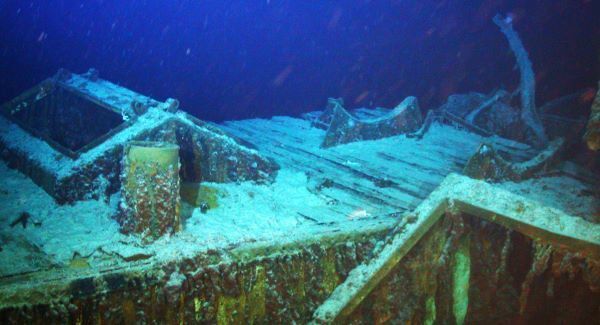
New technology however, is helping to reveal some of the secrets of shipwrecks lying around our coast. Equipment on the research vessel, Celtic Voyager, is providing the best information yet on World War One wrecks, some of which are too deep to be dived on and which have not been seen in 100 years.
A team of scientists led by Ruth Plets, school of environmental sciences at Ulster University, using a multi-beam system, has captured the most detailed images of the entirety of the wrecks ever. This is the first time scientists can examine what has happened to them during sinking and in the intervening 100 years.
Among the shipwrecks surveyed were the SS Chirripo, which sank in 1917 off Black Head, Co Antrim, after it struck a mine; the SS Polwell, torpedoed in 1918 north-east of Lambay Island, and the RMS Leinster, which sank in 1918 after being torpedoed off Howth Head when over 500 people died. That is the greatest single loss in the Irish Sea.
“The detail is amazing as we can see things such as handrails, masts, the hawse pipe [where the anchor was stored], and hatches,’’ said Dr Plets.
As well as acoustic imaging, the team collected samples from around the wreck to see what its potential impact is on the seabed ecology. Sediment samples were also taken for chemical analysis to determine if these wrecks are possible causes of pollution.
There is a blanket protection of all wrecks older than 100 years, so all these will become protected over the next few years.
To manage and protect these sites for future generations, we need to know their current preservation state and understand what’s happening the sites, according to Dr Plets.
One of the best-known sites is that of the wreckage of the 1916 gun-running ship, Aud, in Cork Harbour. The ship which had brought 20,000 rifles from Germany for the Easter Rising was scuttled by the captain, Karl Spindler, after being intercepted by the royal navy. The plan was to land the arms shipment in Fenit, Co Kerry, but there was a communications breakdown.
The Aud wreck, said to be in poor condition, was first dived in the 1970s and has been a popular diving spot since then. Two anchors were recovered, in 2012, and, perhaps, some of the rifles still lie on the seabed after all those years.