It’s time to call for international help to sort out this 49-day mess
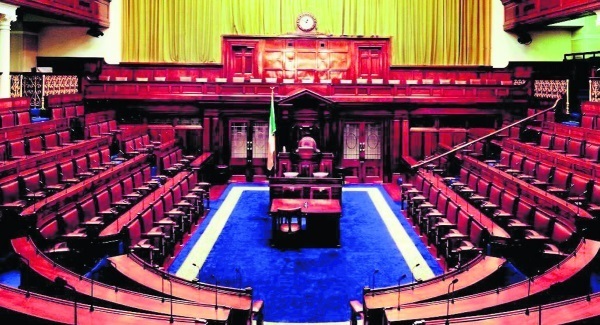

Our political future remains a mystery but one thing we know for certain is how massively unprepared our system has been for this new fragmented political landscape.
In the normal course of events our politics has been run in a type of organised chaos, where everyone, participants included, have been treated in a mushroom-like fashion, kept in the dark and fed you-know-what until the very last moment when the government of the day would unveil their grand plan of the moment.
Regardless of the negotiations mess which has been ongoing, there are very welcome moves towards reforming the way our Dáil operates. But those initiatives will get little or no opportunity to shine unless we get a government; one which operates effectively with stability and for a reasonably long period.
As day 49 post-election dawns the national well of sympathy for politicians dealing with a new situation has run dry. The realistic fear now is that after all this testerone-fuelled faffing-about we will end up with an arrangement that will make a bowel of Chivers jelly look solid.
Quite understandably the plaintive cry has been going up from the independents to Fine Gael and Fianna Fáil of “yes, yes we’re listening, but please tell us just how a minority government is going to work”. In other words what is your framework.
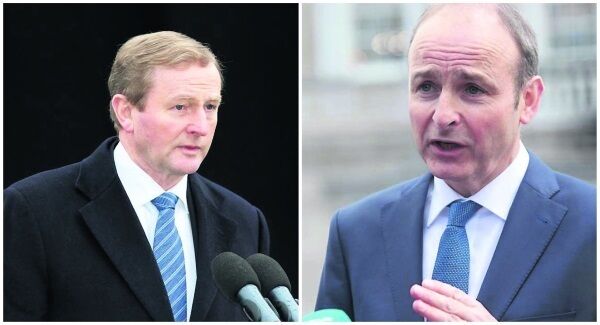
I’m all for getting the experts in when you need help. Why not stop and ask for directions when you are lost? What’s so wrong with deferring to someone who is appropriately qualified, or better again having some experts, from outside the system, in place. They can be called upon when needed. This goes against the grain for politicians who feel they have to take enough advice from the civil service, and that they are elected to make decisions themselves.
But desperate times at the very least make for some Googling, if not some telephone calls to foreign politicians who have been through something similar. The good news is that some in Fine Gael and Fianna Fáil have been consulting the experiences in other countries such as Denmark, the Netherlands and even as far away as New Zealand.
They’ve also been consulting some documents drawn up by the UK-based Institute for Government. The insights from that think-tank are guided by experienced people who have worked inside government. Amongst other things they provide training for senior policy makers. This can all seem rather dry and boring, but in fact it is radical in its own way when you consider that within our system, and the British one, it is possible for someone to be elected for the first time on a Monday and by the following week find themselves in charge of a government department. Admittedly this is not a regular scenario but it is not an impossible one.
When it comes to the period when there is no government, such as right now in Ireland, it sets out that ministers should not take any actions that could be postponed, such as making appointments, awarding contracts, or launching new policy initiatives. This is common sense and largely what has been happening here in recent weeks, but I haven’t seen it written down anywhere. The Constitution only takes us so far.
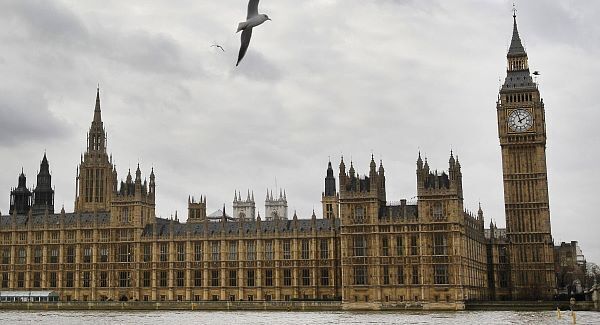
Last year, prior to the British general election, the institute drew up a document “Westminster in an age of minorities” to assist in the possible scenario where forming a Government might prove difficult. At that time an outright Conservative win was considered highly unlikely. It advised, wisely I believe, that the parties should focus on more than just policy during their negotiations. More thought should be given to the “machinery, processes, and principles” by which any new multi-party arrangement would work. This involved keeping all parties informed of all relevant policy developments, crucially in our own scenario would be how to resolve differences, and how much scope to allow for agreement to disagree.
How to keep the show on the road in a “confidence and supply” situation where one side agrees to back the other on confidence votes. The ara of Finance Bills is also examined. This approach can provide a government with stability “without forcing it to compromise significantly on its policy programme”. But for our part here the problem (as we all know only too well at this point) is that we have one party, Fine Gael, which states that it won the largest number of seats in the recent general election, while the second party Fianna Fáil believes that regardless of seat numbers it “won” the contest.
It is interesting in New Zealand, where they introduced proportional representation in 1996, the two subsequent elections resulted in a full coalition between one large and one small party. In both cases the governments collapsed and the small party was decimated in the subsequent election. Since then there has been a succession of minority governments supported by published confidence and supply agreements. In Australia in 2011 a minority government struck a set of short agreements with smaller parties and independents to shore up its position.
Another of the institute’s documents “Making a strong start to government” urges strongly against succumbing to the “first 100 days trap” of politicians in power and indeed of the media, believing that everything must be done immediately. This can work, it says, when measures have been considered fully before the election and the Civil Service has been alerted. I think we can safely say, given the background to our current efforts at government formation, that this advice should be taken seriously to heart and that very little will have been “considered fully”.
One particular line that stood out for me was to be wary of abolishing and creating new government departments, unless the proposals have been considered at length beforehand and a strong business case exists. “Otherwise they risk costly upheavels, and diversion of effort and resources.”
The UK’s Department for Innovation, Universities and Skills, established in 2007, lasted until 2009 and incurred start-up costs of just over £15 million. When I read this I immediately think of the proposal to establish a new and separate department for housing. Yes this needs immediate attention but establishing a new department is far more about window dressing. What we need is political will, and if that exists anything necessary to be done can be carried out by the Department of the Environment.
Given the manner in which Fine Gael and Fianna Fáil have been behaving, documents might be as much use, as my father in law would say, as an ashtray on a motorbike. But we do need to start thinking about future elections and being better prepared. What is interesting about the Institute for Government is not just that it has done research and offers good, well informed advice, but the very fact that it exists.
I wonder if they do any work overseas?


CONNECT WITH US TODAY



Be the first to know the latest news and updates