Terrorists surrender their privacy rights
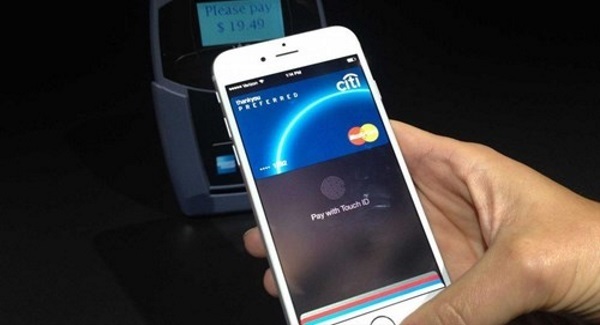
Apple has appealed that decision. The conflict is obvious: Do an individual’s privacy rights trump a society’s right to defend itself? Can absolute privacy rights offer shelter or opportunity to criminals or terrorists?
There are subsidiary issues, too. How can a private company, theoretically, access all communications made on devices it manufactures, but a state security agency cannot? Why should one entity be trusted and the other not?
The libertarian view has a noble attraction, but in a world of suicide bombers, of countries where the state’s very existence is threatened by drug cartels, and a people-trafficking crisis, it seems dangerously naive. Why should any society confront these threats with a hand tied behind its back? A sceptic might also point to the obvious commercial imperative behind Apple’s argument.
As we have seen, privileged access to security files can be abused — nosey gardaí checking celebrities’ Pulse files — so maybe the issue is the integrity of the system, rather than the challenge to privacy? At the end of the day, though, Apple will have to decide whose side it is on — civil society, or those who would destroy it? Ultimately, it is that simple.

CONNECT WITH US TODAY



Be the first to know the latest news and updates