Gardaí must be on street, not at desks - Revamping the force
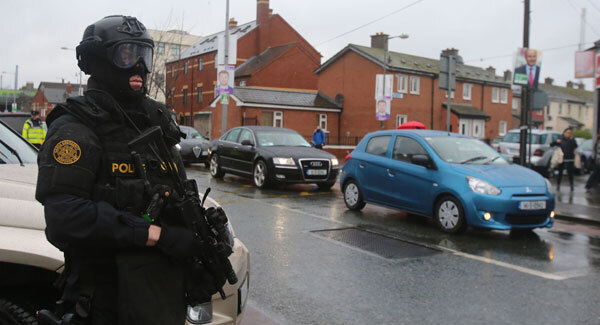
The force has already lost 88 members in the line of duty since its creation and the fear is that well-armed gangsters will think nothing of increasing that figure.
As a result of escalating gang warfare and threats posed by dissident republicans, there have been calls for the gardaí to be armed on a regular basis, including uniformed members of the force.
There is something to be said for that argument but it needs to be tempered with the advantages of retaining an unarmed police force. Despite all its organisational difficulties, An Garda Siochána still retains the respect, regard, and affection of the public. Transforming it into a fully armed service could lead to it becoming alienated from law-abiding citizens and their everyday concerns.
That is not to say, however, that changes do not need to be made. It is clear that the force, both in its organisation and structures, is creaking at the seams and needs a major revamp to bring it fully into the 21st century.
Since the reopening of Tullamore training centre, the number of gardaí has begun to increase — albeit slightly — for the first time in years.
However, this has not translated itself into more gardaí on the streets — which is where they belong. In fact, many parts of the country have experienced a reduction in garda numbers notwithstanding a slight increase in the overall size of the force.
This paradoxical situation can be largely explained by the fact that new recruits barely outnumber those who are retiring or resigning. There has been an increase in staffing levels at Garda headquarters but these mostly comprise management and administrative functions.
All of which means that there are fewer gardaí on the streets doing frontline police work. This is in marked contrast to other jurisdictions where frontline services are prioritised.
As last December’s review of the force by the Garda Inspectorate revealed, other police services around the world have restructured and reduced the number of administrative areas and now operate far leaner structures, with fewer senior managers.
In total, approximately 83% of Garda resources are deployed to frontline services compared with about 93% in police services elsewhere.
That means that, on current figures, the number of frontline gardaí could be increased by 1,200 by reducing administrative tasks to the norm in other countries.
We need our gardaí on the streets, not behind a counter at stations doing administrative tasks which could easily be done by civilians. The Garda Inspectorate has started the reform process. Now it is up to the Government to finish the job.

CONNECT WITH US TODAY



Be the first to know the latest news and updates