Emerald Isle still green on environment - Water pollution
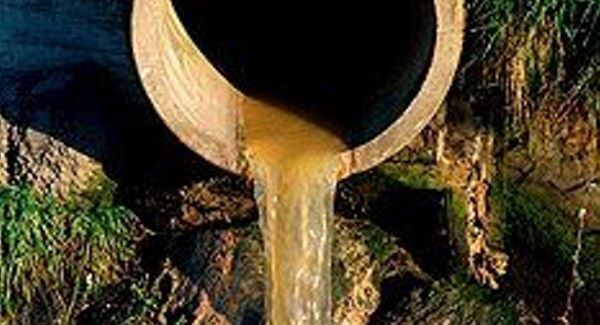
SINCE generations of Irish holiday-goers have spent what passed as summer literally swimming in water polluted by excrement, it is shocking to learn from yet another damning report by the Environmental Protection Agency (EPA) that 45 urban areas continue to discharge untreated sewage into water courses and coastal areas around Ireland.
Emerald Isle still green on environment - Water pollution

Because the 2014 water results relate exclusively to urban areas, the usual suspects, farmers, certainly can’t be blamed for this nationwide pollution crisis, even though, as the sight of dead trout in a murky stream will testify, rogue farmers continue to allow slurry drain into water courses.

In this case, however, there can be no doubt who the culprit is. The report shows that 31 of the country’s larger towns and cities, including Dublin, are still failing to meet EU standards. That’s unforgivable in a nation which depends so heavily on tourism to prop up its ailing economy.

What kind of message do these findings send out to visitors from abroad who regard Ireland as a veritable oasis in a desert where pollution is rapidly spreading? What does it say about the seemingly feckless attitude of successive governments and local authorities who for years were directly responsible for treating sewage but went on dumping it straight into the sea, rivers and lakes, claiming they lacked the resources to go beyond primary treatment which is roughly the same as using a blender to whip eggs?

The bitter irony is that if this country is to have any hope of aspiring to EU standards, it will have to depend on Irish Water, undoubtedly the most controversial and most criticised agency ever established in Ireland. Having been set up in a classic example of hob-nail boot politics by former Environment Minister Phil Hogan, the way it went about its business was an object exercise in bungling. It has led to the formation of a popular movement, with thousands of people taking to the streets in protest against the installation of water metres and having to pay for domestic supplies.

Just as people require clean water for drinking and, perhaps, a somewhat lower quality for recreational activities such as fishing, swimming or boating, it should be remembered that the hard-pressed wild-life of the countryside also depends for its survival on how clean the water is.

Behind the statistics in the EPA document is a depressing legacy of neglect.Already, Irish Water’s much vaunted plant at Ringsend , designed to serve a population of 2.1m people in the Dublin area, is too small and is now pumping partially treated waste water into Dublin Bay, with all that implies from a health viewpoint. The worst counties are Cork, Donegal, and Galway, key tourism areas. Last year, discharges of untreated waste water resulted in very poor water quality at seven bathing areas, including the Front Strand in Youghal, Co Cork, and the South Beach at Rush, Co Dublin.

Having invested €320m this year and last, Irish Water plans to invest another €2bn in wastewater infrastructure by 2021. And if, by then, it still hasn’t cleaned up its own act, besides fully treating the nation’s vital water supply, it should be consigned to the dungheap.

x

More in this section

Revoiced

Newsletter

Sign up to the best reads of the week from irishexaminer.com selected just for you.

Cookie Policy Privacy Policy Brand Safety FAQ Help Contact Us Terms and Conditions

© Examiner Echo Group Limited







