Universal health insurance - A health service mired in confusion
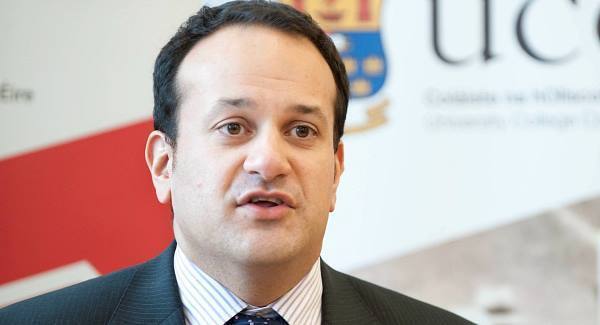
While most other European citizens can rely on universal systems funded by ring-fenced taxes and which actually work, the sense of chaos has deepened here following Health Minister Leo Varadkar’s decision to abandon the Coalition’s much-vaunted plan for universal health insurance.
That represents a major U-turn on the ambitious health scheme outlined in the programme for government published in 2011, ironically under the heading “Fairness”, with all the signs of being plucked out of the air.
That initiative was followed up last year by a White Paper which put back the deadline for universal health insurance until 2019, a blatant ploy to kick the health can even further down the road.
In the latest twist of Ireland’s health saga, a new report from the ESRI has effectively damned the model contained in the White Paper, concluding that it would increase overall health spending here by up to 11%.
In terms of hard-earned taxpayers’ money, the scale of the increase could range from €666m to over €2bn, depending on whether the system covered hospital, mental health, and GP care, as well as funding the high cost of prescribed medication.
According to Mr Varadkar, while the Government remains committed to the concept of universal healthcare, the White Paper model would never be affordable in his eyes, not now, not ever.
The question this raises is why the public has had to wait until now to learn the Coalition’s plan was not a runner from a financial viewpoint, especially with the cost of private health insurance spiralling beyond the reach of most families.
At least, to the minister’s credit, he lost no time in revealing the facts to the public.
However, a cynic might say that the timing of this announcement means its impact would be softened somewhat in the aftermath of a general election, whereas Mr Varadkar knows that keeping it under wraps until after voters go to the polls in the spring would be next to impossible because reports of this kind invariably have a habit of leaking into the public arena.
Despite the characteristic and, it has be said, admirable bedside manner of this minister, who after all was a GP before entering politics and believes in telling the patients the news exactly as it is, he has yet to convince the public that he has in mind a picture showing what the Irish health service will really look like in years to come.
Will, for instance, people who cannot afford it still be faced with an ever-increasing gulf in terms of access and quality of care between the public and private sectors?
The reality is that those who cannot afford to pay for private insurance are doomed to languish for years in endless queues waiting to be treated by a specialist or crammed for days on trolleys in hospital corridors if they are lucky enough to be admitted to a system where an unfair and unacceptable two-tier policy continues to exist despite empty political promises people have been hearing for years, and they can be sure of hearing once again on the doorstep when Taoiseach Enda Kenny finally goes to the country.