Joni and the house sparrow
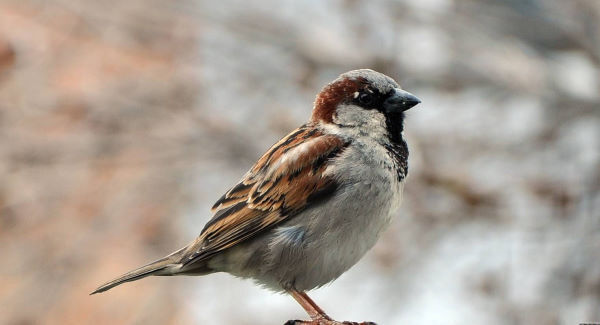
In the words of the Joni Mitchell song ‘Big Yellow Taxi’, “You don’t know what you’ve got till it’s gone”. Up until then I’d taken sparrows for granted, even looked down on them as birds that were rather dowdy and chased prettier species off the bird feeders and were everywhere. It was only after they went that I realised they were attractive, particularly the males, and that their social interactions were interesting.
A check on the internet revealed the loss was not confined to my garden. House sparrows were amber-listed in Ireland, meaning numbers were declining and they were of conservation concern. The situation was even worse in Britain where they were red-listed. But the house sparrow is probably the most widespread wild bird in the world and still one of the commonest so the International Union for Conservation of Nature reckoned their status was of “least concern”.


Read

Listen

Watch

Play
CONNECT WITH US TODAY



Be the first to know the latest news and updates




Revoiced
Newsletter

Had a busy week? Sign up for some of the best reads from the week gone by. Selected just for you.

Check out our diverse library of newsletters and get the best of the Irish Examiner delivered straight to your inbox
Most Read
Thursday, October 1, 2026 - 7:00 AM
Wednesday, September 30, 2026 - 5:00 PM
Thursday, October 1, 2026 - 8:00 AM