Magical autumn woodland
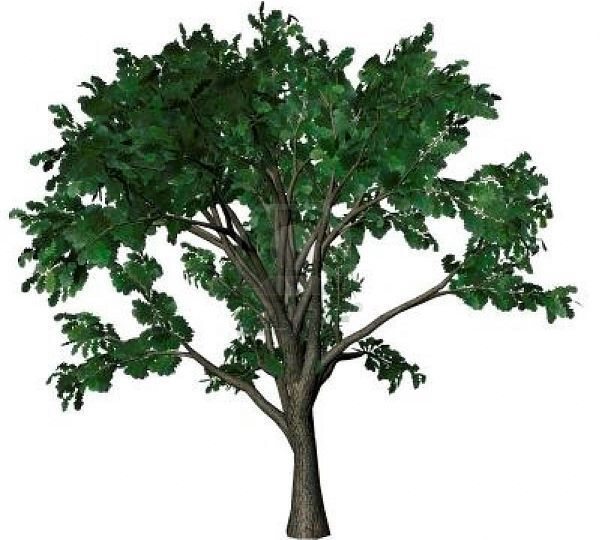
The other day, a work assignment took me to Tullamore in Co Offaly and a walk around the Charleville estate. It’s a good few years since I last visited and I’d forgotten how magical its woodland is, particularly in autumn. There is no better place in Ireland to appreciate the majesty of the pedunculate oak tree.
Magical autumn woodland

Most people know that there are two common species of oak in Ireland, the sessile oak, which is our national tree, and the pedunculate oak, sometimes called the English oak.

Some experts have claimed that the pedunculate oak is not native and was introduced in the late Middle Ages. Figuring this out is complicated by the fact that it’s hard to distinguish between the fossil pollen of the two species and by the fact that they hybridise readily and the hybrid offspring are fertile, giving rise to quarter-breds and three-quarter-breds. But the best scientific evidence suggests the English oak is also an Irish tree with a native range on limestone soils in the Midlands and across into east Galway.

Pedunculate means dangling and sessile means sitting. This is a reference to the acorns which dangle down on long stalks in pedunculate oak and sit on the twigs in sessile oak. But this is not a very good guide to identification because oak trees don’t produce acorns until they’re quite old and even then don’t produce them every year.

The petiole, or leaf stalk, is a more useful guide. In a pure-bred pedunculate oak it is either absent altogether or less than a centimetre long, in a sessile oak it’s usually several centimetres and certainly more than one centimetre. But if you come across a hybrid you may as well give up, unless you have access to a genetics lab.

The Charleville estate is privately owned but the owners appear to have a policy of allowing the public access to the woodlands and the people of Tullamore and their dogs walk in them. Most people stick to well- defined paths and gravel roads but you really need to stray off these a little to get a true impression of the beauty and vigour of the wood. There are oaks of every age class, from tiny seedlings to centuries old giants, showing that the woodland is naturally regenerating and in a very healthy condition. There are other tree species as well, including some of the tallest hawthorns I’ve ever seen. Most of these trees are native and self-sown, though there is evidence that gamekeepers planted laurel and box to provide an evergreen under-storey to make it more attractive to woodcock.

And, of course, the high point of any walk is a visit to the Charleville King Oak, an ancient and awe-inspiring giant with low, spreading branches, some of which dip and touch the ground 25m out from the trunk. It is one of Ireland’s iconic trees

More in this section

Revoiced

Newsletter

Had a busy week? Sign up for some of the best reads from the week gone by. Selected just for you.

Cookie Policy Privacy Policy Brand Safety FAQ Help Contact Us Terms and Conditions

© Examiner Echo Group Limited