Scale of crisis demands new thinking - EU responds to refugee crisis
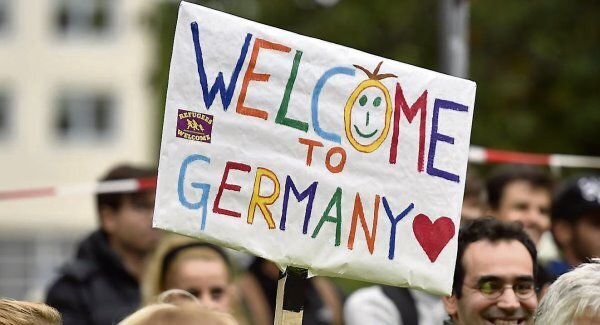
That a country that just a lifetime ago was the cause of Europe’s last great refugee crisis — in 1943 the International Labour Office estimated that “more than 30m of the inhabitants of Europe have been transplanted or torn from their homes since the beginning of the war” — can offer such a very different and challenging leadership may be the silver lining of a very dark cloud. It shows a society defined and ravaged by war just a few decades ago can see beyond its devastating, heartbreaking history and understand how to respond in a moral way to the millions now threatened or destitute because of terror, corruption, poverty, religious lunacy, climate change, or unrelenting despotism.
Just as the Marshall Plan was central to Europe’s rejuvenation after 1945, Germany’s clear and challenging response to today’s calamity may help resolve the refugee crisis in a way that reminds us of our obligations to our fellow man. By showing the kind of humanity that this crisis makes obligatory, we can strike a blow, maybe not a final one, but nevertheless a telling one, against the extremism forcing millions from their homes right across Africa and central Asia.
How we, as individuals, societies, and independent nations respond to German chancellor Angela Merkel’s challenge will define us for at least a generation. We can prevaricate, look inwardly, and imagine that the domestic challenges we face are so great that we cannot offer refuge or we can accept the responsibility that comes with being an independent and affluent nation — an affluence built on foundations made possible by the kindness of strangers when we joined the EEC all those years ago. If we want to be on the right side of history, our choices are very limited. This responsibility has been highlighted by Pope Francis who has called on every parish to offer a home to a refugee family. Despite her best intentions Tánaiste Joan Burton’s suggestion that we might take 5,000 refugees over five years — just 1,000 a year — falls a long way short of what is required. It seems we have reached the point where we need to reimagine how we will respond to this issue on an ongoing basis, as it is likely to keep developing as long as the world’s population keeps growing.
The crisis is a symptom of a far greater problem, and unfortunately any warmth generated by a humane response will be balanced by an unavoidable military response to Islamic extremism. However, before that dreaded moment is reached, a lot of things need to happen. One of those is a change in attitude among the oil-rich Gulf states. Their response does not match what is required from societies grown wealthy beyond imagination because of our addiction to oil. It is time to be a good deal firmer with the oil states sponsoring fundamentalist terrorists and fuelling the crisis. It’s time to confront the disease as well as the symptoms.
CONNECT WITH US TODAY



Be the first to know the latest news and updates