Embassies offer a helping hand abroad when nobody else can
Unpaid, they are a network of friends of Ireland, acting for the State around the world, writes Gerard Howlin

Embassies offer a helping hand abroad when nobody else can

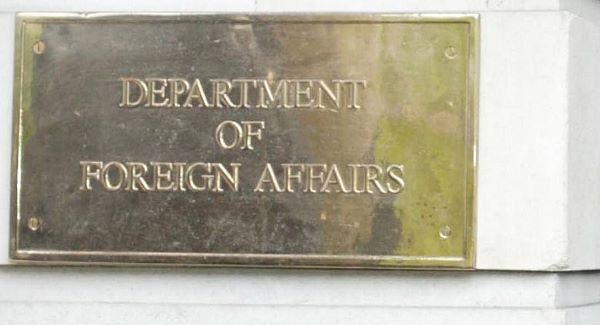
N A small island with unreliable weather, a lot of Irish people like to get away. When not on holidays, many Irish people travel for work. And we have a great diaspora of emigrants. Some are Irish-born, but others who are not are also Irish citizens. All fall to the care of the consular services of the Department of Foreign Affairs, if required. It’s not a care many of us think much about, but for a very few people, beset by events or the author of them, the local Irish embassy or honorary consul becomes a lifeline.

On Monday a bomb exploded in Bangkok, killing innocent people. Thankfully no Irish person was among the dead. In June a lone gunman opened fire on the beach in Sousse, Tunisia, and three Irish holiday-makers were not so lucky. In Berkeley, California, a horrific incident left six students dead. In 2011 an earthquake devastated Christchurch in New Zealand and Irish citizens were among the dead. In 2004 a tsunami devastated south-east Asia, and several Irish citizens were victims. Very occasionally a horrible misadventure can occur on tour.

Visiting police stations or mental hospitals is not what comes to mind when considering the rarefied diplomatic life. In fact it’s less rarefied than supposed, and some of it involves being there for us when we are in dire need.

The network of Irish embassies serve myriad purposes. They are listening posts that keep us up to speed on, and involved in, the conversation internationally. They lobby discreetly and overtly for the Irish position, on the issues that matter to us. There would never have been a successful peace process without 30 years of diplomatic relationship building, intelligence gathering, and lobbying.

Re-establishing a damaged reputation after the economic crash was another pivotal and important job of work. It is difficult, but important to remember, how appalling international headlines were about this country, only very recently.

That’s top level stuff, and it is essential. Boots on the ground matter. In an electronic age, nearly all information is instantly available. I say nearly all, because often the most important gleaning of understanding can only come from face-to-face contact and real relationships.

Whether those relationships are with politicians, officials, business, or media, having an embassy locally, with local knowledge, cannot be substituted for, if the relationship actually matters.

A small country with a limited budget, we have to pick our perches carefully. In reality we can’t be everywhere. The Irish embassy network is vital infrastructure we can’t do without. It’s only when in the lurch that many realise its importance at first hand.

How many Irish families rang the Department of Foreign affairs in the past 48 hours to seek information or get reassurance? Several, I believe.

In Sousse and Berkeley this year, the embassy staff who travelled from Madrid or who were based in San Francisco provided invaluable backup. Dealing with local bureaucracy, hospitals, or getting the remains of a loved one repatriated can be a fraught experience. Bad enough having to deal with the grief and panic, having a helping hand, with local knowledge and contacts, becomes invaluable. The fact is that diplomatic staff, aside from having a network of contacts, also have access higher up into local officialdom than most of us could manage.

Maybe it is only a matter of being told definitively that nothing further can be done today, that you have to wait until tomorrow. Even that level of knowledge, authoritatively conveyed from a trusted source, gives some comfort. There is nothing worse than not knowing. The feeling of helplessness, is worst of all.

One source of mild bemusement, in literature and in life, is the underappreciated honorary consul. What exactly do they do?

It is only when you need to know that you ever really find out.

Unpaid, they are a network of friends of Ireland, acting for the State around the world. Lost your passport in a country with no embassy? The honorary consul can help.

Flying the flag on important occasions, when nobody else is available, she or he then steps in. Some have proven to be of invaluable service.

Last April Rodney Walsh retired after serving for nearly 40 years in the role in New Zealand. For years he did largely underappreciated work for the love of Ireland. But in one year, when tragedy struck Christchurch, he was a lifeline. In the first hours, before the embassy based in Canberra arrived with backup, he was Mr Ireland. His local knowledge and enthusiasm for the Irish cause in New Zealand was an invaluable support for generations of Irish diplomats based in Australia.

In Antibes, Pierre Joannon flies the Irish flag. Fascinated with Ireland, and a great friend, he did his doctorate on our 1922 and 1937 Constitutions. He has dealt with his share of consular cases and played an important role in the wider Franco-Irish relationship. An author of several books on Ireland, his commitment and common sense were invaluable in restructuring the governance and business affairs of the Irish College in Paris, when the government here invested in its refurbishment.

Over the years since, he and others — some Irish and based here, others Irish but living in France — as well as French friends have worked to put a ramshackle building, once a seminary, on the Paris cultural map. Networks really matter.

Some of the toughest cases Irish diplomats and consuls must deal with are when mental illness is involved. Often only alerted by a local hospital, after a crisis has arrived, it requires great tact in assisting someone who is not in full possession of themselves. Often it is a local embassy which, initially at least, is the only supportive familial presence.

Of course when the sun comes out, common sense can go out the window. Plain stupidity is often a cause of people’s problems. Get banged up by the local gendarme for being drunk and disorderly or buy those holiday apartments that never get built, and fail to get proper independent legal advice, and what can you expect? Well not a lot, frankly.

In the first quarter of 2015 there were 1.3m trips out of Ireland. The scale is staggering. If you do travel, you should register on the Department of Foreign Affairs website. Chances are that those who are sensible and do so are also more likely to be fully insured and less likely to have a tendency to drunken disorder. Regardless of how prudent you are, problems can arise.

The Department of Foreign Affairs is not the HSE on tour. Run out of money or fail to have adequate insurance, then that is your problem. But locally, it is an invaluable source of assistance in crisis. So take out the travel insurance, buy the sun cream, and take it easy on the sangria.

More in this section

Revoiced

Newsletter

Had a busy week? Sign up for some of the best reads from the week gone by. Selected just for you.

Cookie Policy Privacy Policy Brand Safety FAQ Help Contact Us Terms and Conditions

© Examiner Echo Group Limited