A debt deal means hard choices for us - Greek crisis continues
IT is becoming increasingly difficult to tell fact from propaganda, ideologically driven positioning from the uncoloured and unattractive reality faced by ordinary Greeks struggling to live basic, decent and dignified lives. It is becoming increasingly difficult to tell political ambition or dogma, national or individual, from the pressing humanitarian needs generated by the deepening crisis.

A debt deal means hard choices for us - Greek crisis continues

Europe, democratic, caring, affluent and at peace, was never meant to be divided and challenged like this in 2015.

The saga has become so critical that even using the word “humanitarian” has assumed a political loading and indicates a position opposed by those, especially Germany, who that believe that the Greek debt — almost €350bn for a population of 11m — is somehow sustainable.

Tit-for-tat argument is not always helpful but even the most Thatcherite German — what else are they after all? — cannot deny that their discipline and work ethic, qualities that have made the re-unified Germany such an economic powerhouse, would have amounted to little more than a hill of beans had Germany not been rejuvenated post-1945 by the Marshall Plan and had something around 60% of its post-World War II debt written off.

It is tragically human though that those who reap the rewards of the powerful sense of optimistic duty shown by earlier generations of strangers should find it so very difficult to be equally forgiving and empowering. Germany should remember too that its banks were among the most energetic supporters of the casino bankers that created such havoc here and in other European countries. These awkward realities cannot be ignored, especially by the no-debt-forgiveness hawks in the Bundestag.

Despite all that it would be more than tragic if Germany was alienated from the European project by its uncompromising position on Greece. Any such withdrawal would have a far more profound impact on Europe than anything coming from Greece.

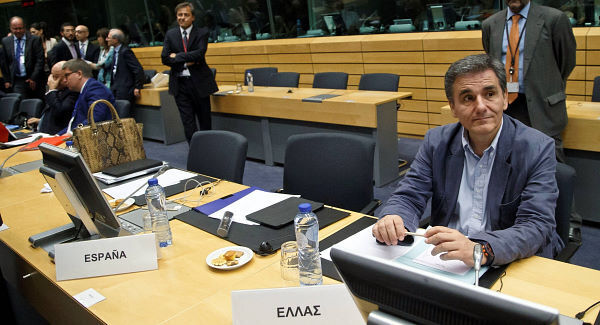
There however seems to be a ray of hope. Yesterday afternoon, ahead of a crisis meeting of eurogroup ministers in Brussels, the French prime minister Manuel Valls said France will do all it can to keep Greece in the eurozone because allowing it to leave would be too risky. That good-cop routine was countered by the Finns who insisted there was little or no room for further concessions for the Greeks.

Nevertheless, Greek prime minister Alexis Tsipras was expected to bring forward proposals involving cutting Greek debts by up to 30%. How that particular circle might be squared is anyone’s guess.

It is inevitable that there will eventually be some sort of agreed solution and it is likely, it certainly seems desireable, that there will be some sort of debt write-off involved. At that point we will be faced with a choice. Will we demand a new deal involving a debt write off or will we stay on the path that seems to be paying a dividend unimaginable even a year ago? We may criticise Germany for being demanding but would we be any less so if we thought we could cut our debt burden?

More in this section

Revoiced

Newsletter

Sign up to the best reads of the week from irishexaminer.com selected just for you.

Cookie Policy Privacy Policy Brand Safety FAQ Help Contact Us Terms and Conditions

© Examiner Echo Group Limited