Lansdowne Road pension deal: Increases strengthen inequities
If our courts did not have to rule on the indiscretions committed by sane people unhinged by alcohol then our courts — and jails — would be far less cluttered.
Equally, our papers would lose a great source of stories, and justified outrage, if our pubic services were properly resourced and in a position to deliver the kind of service we can be proud of.
Hardly a day, certainly not a week, goes by without some infuriating story or other about a health cutback, some service or other leaving vulnerable citizens exposed because the State does not have the funds to deliver the kind of service that might protect them from the ravages of a cold, disinterested world.
Just last week, that cold world’s winds blew through the lives of single parents whose state supports were cut.
It touched the parents and families of those in the care of St Patrick’s care centre in Kilkenny — just one of many homes for the intellectually challenged to fail a Hiqa inspection — where a unit was closed by a local court because it did not meet basic safety standards.
Last week, there was also a story about the long delays experienced by gardaí in getting information they needed to process allegations of child abuse from a state agency because that agency was overwhelmed.
There were, too, the usual early summer stories about operations being deferred because of hospital staff issues.
The list is endless and each instance confirms that we either mismanage resources or expect far too much for the investment we make in services. Either way, it is a terribly unsatisfactory and shaming situation.
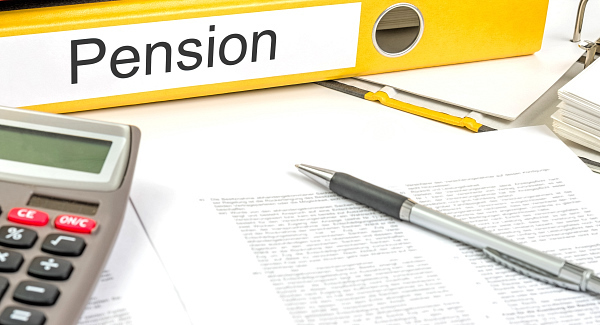
One of the reasons for this shortage of resources was highlighted at the weekend when it was reported that retired public servants already enjoying six-figure pensions will get a pension increase under the terms of the Lansdowne Road agreement. Former politicians — including last week’s star turns at the banking inquiry Charlie McCreevy and Brian Cowen — will also benefit.
Renua leader Lucinda Creighton hit the nail on the head when she said this was “like something out of Kafka... in a state that practices accountability, Cowen and Ahern would be stripped of their pensions instead of securing another nice little bonus”.
Public Expenditure Minister Brendan Howlin’s response was as pathetic as Ms Creighton’s was accurate.
He said if he could he would limit increases to those below €65,000 a year. If he cannot, or more distressingly won’t, who can?
No wonder cynicism is so rooted in society. Already, as the economy recovers, the financial sector has been criticised for its quick return to noses-in-the-trough rewards.
They, it seems, are not the only ones who must face that charge. This is not about resentment or begrudgery. It is about decency and having the courage to say that the most vulnerable come first.
If the Government stands over this gross inequity, then it will have given the electorate another reason to oppose it.

CONNECT WITH US TODAY



Be the first to know the latest news and updates