Europe must do all it can to avert calamity
They will vote in a referendum on whether they should accept or reject the terms of an 11th-hour rescue package though, as the relationship between the European Union and the Greek government becomes ever more fraught, precise details of what is being decided — or offered — are at best scant.
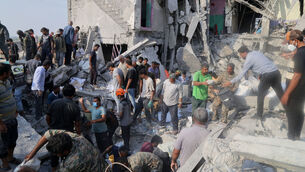
The idea of a vote may cheer those who, despite considerable evidence to the contrary, believe in the primacy of democracy. Nevertheless, no matter how the Greeks vote, Greece is still a bankrupt, impossibly indebted nation on the cusp of a frightening humanitarian crisis; a society already battered and bruised by years of hardship and deprivation.

Averting that calamity must be the primary objective for the European Union, even if the posturing naivety and flimsy trustworthiness of the Greek government seems the greatest obstacle to realising that objective.
The unfortunate Greek people, though not entirely blameless or unique, arrived at this point after decades of political and private sector mismanagement. Their refusal to change a culture built on petty and not-so-petty corruption adds to their difficulties but this is not the time for ill-placed, hypocritical sanctimony. We too, as this week’s banking inquiry reminded us, were as delusional as anyone and overly indulgent of less than vestal political and business classes.
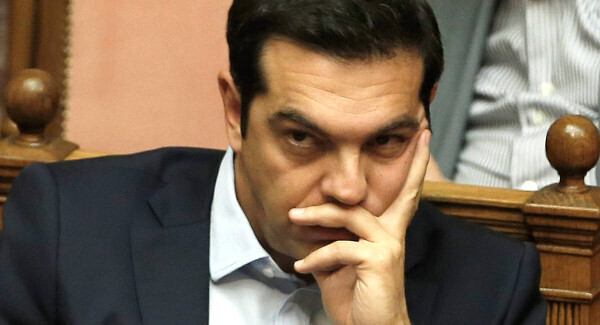
Yesterday’s belated recognition by the IMF that the crisis-ridden country needs up to €60bn over three years and large-scale debt relief is the most cheering news the people of Greece have had for some time but they would, it is certain, prefer to see the IMF offer the money rather than the suggestion. The IMF realpolitik will resonate across Europe as the great majority recognise the terrible situation faced by ordinary Greeks is untenable. They will care less for the niceties of economics and banking; their concerns will be with their unknown cousins in Greece. Therefore, even if the timing of the announcement was intended as another blow to Greek prime minister Alexis Tsipras’ left-wing government, this seems a basis for realistic but far from painless resolution of the crisis. Let us hope it is, because there cannot be too many more false dawns in this sorry saga.
As the endgame is reached, we should reflect on Ireland’s role in the affair. It would be foolish to overestimate our influence, but there was something shaming, something tragic around the hawkish, hectoring attitude adopted by Taoiseach Enda Kenny and Finance Minister Michael Noonan. Whatever their motives, or influences, it was not their finest hour. They should have had more empathy with the cornered, bankrupt, and indentured people of Greece.
Tomorrow’s vote is the first of two defining polls. In less than two years Britain will hold its in-out referendum and unless the Greek crisis can be resolved in the short term and without imposing counterproductive hardship on the people of Greece, then their dilemma will encourage those British people so determined to leave the alliance.