Get on your bike for life
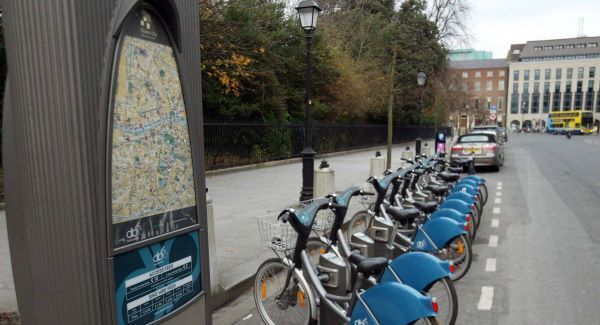
On the other hand, the return to the bike has created additional hazards on roads which were designed to cater for cars and other vehicles. While some progress is being made in providing dedicated cycle lanes, especially in cities, we’ve a long way to go before we catch up with other European countries in that regard.
In Holland almost everyone cycles and the lanes are designed in a way that cyclists and cars have equal standing. Cyclists often have right-of-way. Amsterdam is one of the most bike-friendly cities in the world and the same could be said for Copenhagen in Denmark.
However, such cities seem to have much wider streets, in contrast to what we find in places like Dublin and Cork which tend to have narrow, twisting streets dating to medieval times and which do not lend themselves easily to cycle lanes.
In Ireland, relations between cyclists and motorists are sometimes fraught, with one crowd blaming the other for discourtesy and lack of consideration. Motorists can show scant regard for cyclists, but you often see large groups of cyclists ‘hogging’ the road and not moving in to allow cars pass safely. Definitely room for improvement and understanding on both sides. National Bike Week begins on June 13, with the aim of encouraging more people to cycle every day. Events will also focus on schools in an attempt to get more children to cycle to school and to get families cycling together.
The last census recorded a 10% increase in the number of commuters cycling each morning. Men account for more than two-thirds of those cycling to work and, for the first time, more women than men are driving to work.
In Cork, cycle lanes have created controversy. Earlier this year Agriculture Minister Simon Coveney had no apologies to make for the introduction of such services. He agreed there was more work to be done to connect cycle lanes, but bikes were being prioritised in the city, he said. There are 330 bikes available for public hire in Cork at a cost of €10 a year and free use for journeys under 30 minutes. The bikes can be found at 31 stations, from Kent Station to Gaol Walk, and from Griffith Bridge to the College of Commerce.
The National Transport Authority is aiming for a five-fold rise in the cycle network in the greater Dublin area from 500km to 2,840km. The plan includes cycle routes in Dublin, Meath and Kildare and comprises a mix of cycle tracks and lanes, as well as greenways through parks and along waterways.