Calls for bounty on mink to reduce population
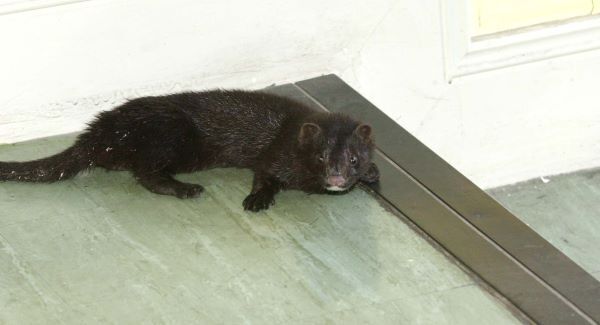
The fox — a resilient animal which has survived a deal of persecution and targeted hunting — has always been with us, but mink made its first appearance here in mid-20th century, being imported from America for fur farming enterprises.
Mink in the wild are descended from animals that escaped, or were freed, from fur farms. They have been breeding in the countryside since the 1950s, adapting very well to Irish conditions.
A report published by the Department of Arts and Heritage, a few years ago, estimated the population at between 20,500 and 33,500 and, going on anecdotal evidence, they seem to be still thriving. Ground-nesting birds are, to use a pun, sitting ducks to attacking mink.
Young lambs are said to be prey to both foxes and mink and this has prompted independent Kerry county councillor Dan McCarthy to call on relevant government departments to introduce a fund, or bounty, for the culling of foxes and mink.
With lambs valued at €50, he reckons the loss to sheep farmers in Co Kerry alone could be €1.3m per year. He also believes the fox population has grown in recent years, aided by forestry expansion and the unfettered growth of wild vegetation on the mountains, which provide extra cover for the wily madra rua.
A sum of €20,000 was provided by state, in 2012, to the National Association of Regional Game Councils as a once-off mink bounty.
Mr McCarthy, who is also manager of Kenmare Mart, believes a €5 or €10 bounty would be an incentive for people to reduce the predator population. The bounty could be paid on production of fox or mink tails at designated locations such as Dept of Agriculture offices, or marts.
Rural TDs like Tom Fleming and Brian Walsh have been raising the issue in the Dáil. However, going by the most recent reply from Arts and Heritage Minister Heather Humphreys, there is not much of a chance of a national bounty being introduced.
She said her department is concentrating control measures on land it owns, or manages, so as to protect the nesting sites of rare and threatened bird species, including red-throated diver, corncrake, grey partridge, waders and terns, from different predators.
Her predecessor, Jimmy Deenihan, while accepting feral mink are in most parts of the country, asked that special attention be given to the situation in counties Donegal, Galway, Mayo and Kerry.