Blood donor ban: Ban requires lack of other protections
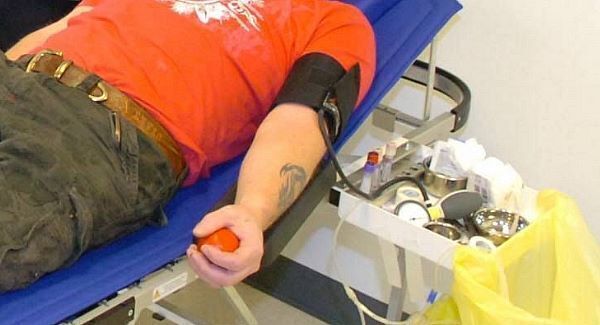
At first glance, yesterday’s finding that a blanket ban “may be justified” in limited circumstances could be seen as a setback for the minister whose perceived aim is to lift the outright prohibition on gay men making blood donations in Ireland.
On closer analysis, however, the finding may indeed strengthen the resolve of the minister, who recently came out as a gay himself, to remove the bar on gay men donating blood because of the court’s ruling that an outright ban is not a proportionate response if other methods exist to ensure a high level of health protection for the recipients of blood products.

Effectively, the judgement handed down by Europe’s highest court, in response to a question posed by a French judge, has found the ban “may be justified” on two grounds, firstly, if it was established that gay men were at high risk of acquiring severe infectious diseases, or if there were no effective detection techniques for ensuring a high level of health protection for the recipients of the blood.
What the French court wanted to know was whether the imposition of a lifetime ban on a gay man was justifiable even if he only once had sex with another man and also if it was right to say that in itself was “risky behaviour”.
Members of the gay community who would like to be donors were encouraged by an opinion delivered last summer by the Luxembourg court which concluded that the outright French ban was discriminatory on two counts, that of sex because it applied only to men and also in terms of sexual orientation.
Their hopes have also risen because the UK had reduced a lifetime ban, similar to that in place here, to one year in 2011.
According to Mr Varadkar, any decision to change the existing situation will be guided by medical and scientific evidence and best international practice. Presumably because he knows how inflammatory and divisive public debate on such questions can become, especially on the eve of next month’s same-sex marriage referendum, the minister is keeping his thoughts on changing the blood donor ban very much to himself.
Ireland’s total ban on gay men giving blood donations came into effect in 1985, the height of the global Aids crisis. At the time, national blood transfusion agencies across Europe were given discretion by an EU directive to exclude donors who were engaged in “high risk sexual contact”.
Amid growing international concerns about the transmission of infections such as HIV and hepatitis, the reaction of the Irish Blood Transfusion Service in banning all donations from gay men was perfectly understandable.
The service is currently preparing a new recommendation on blood donations from men who have sex with other men.
Arguably, if there is any lingering perception in the public mind of risk to those receiving blood, Mr Varadkar will have an uphill battle on his hands to convince them otherwise.