Two Labour parties, but only one has an ideology
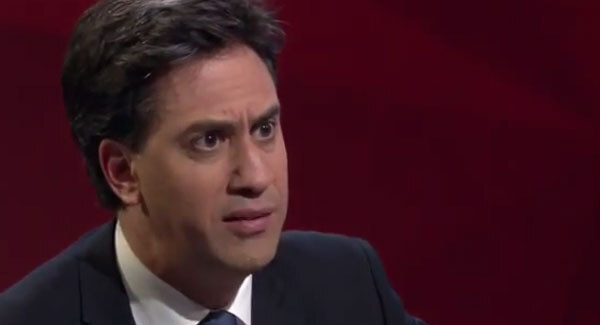
Britain’s election is weeks away and Ed Milliband’s policy of economic justice is connecting with the people, while the Government here has roused itself only because it is afraid of massive voter losses writes Shaun Connolly

Two Labour parties, but only one has an ideology

IT is a tale of two elections, one vacuous and phoney, the other vicious and frenetic.

And just like in Charles Dickens’ A Tale Of Two Cities, it is the best of times, it is the worst of times.

Unfortunately, the best election is the vicious one in Britain, as it actually contains a battle of ideas, despite the daily political assassination attempts being carried out on Labour leader, Ed Miliband.

Unlike in Ireland, a clear ideological divide has opened up between the two main British parties, for the first time in a quarter of century. But still, the rather odd personalities of the political leaders are getting most attention.

The Tories are portraying Labour’s ‘Red Ed’ as the missing Wallace and Gromit triplet, who plans to stab the country in the back, just like he did his own brother, David, in the leadership contest to succeed Gordon Brown.

But the ‘useless and ruthless’ strategy is just not playing the way the Conservatives hoped: with the increased exposure, Mr Miliband has begun to connect with voters as he pushes his agenda of economic justice, not just trickle-down recovery.

Though, who needs the Tories to cause trouble, when the Labour leader drops whoppers like pretending, for a TV interview, he had a modest little kitchen at home, only for it to emerge that he was using the children’s nanny’s kitchen in his £3m pile, rather than the swanky family one?

Also, leaving his notes for the TV debate behind in his dressing room, so that voters now know he likes to think of himself as a “happy warrior”, was probably not the cleverest move.

Still, Toryboy David Cameron, who is fifth cousin to the Queen, and, intriguingly, will only say he has not taken cocaine since becoming an MP, in 1999, while refusing to discuss the period before, now appears so bored with being prime minister he has announced he will quit during the next parliament — which immediately drained authority from him, as potential successors like Boris Johnson were unleashed.

And then there’s UKIP’s Nigel Farrage, who, although he looks like he has escaped from some ropey, 1970s sitcom, is actually the dark presence in this election. This was exemplified by his vile attempt in the TV debate to portray immigrants as HIV-infected, NHS-draining scroungers. It was a dog-whistle message of hatred to Farage’s base vote.

Though UKIP — or The Kippers, as they like to style themselves — have also provided unintentional hilarity along with the hate.

Even their porn is jingoistic: the vice-chairperson of the party in Bristol, John Langley, 59, also goes by the name Johnny Rockard, when he ‘stars’ in the ‘British girl next door’ genre of, ahem, movies.

Labour was once so alarmed by the rise of UKIP that a desperate Mr Brown coined the nationalistic slogan, ‘British jobs for British workers’. Thankfully, so far, UKIP has resisted any attempt to cash-in on Mr Langley’s notoriety with the tagline, ‘British porn for British onanists’, but with the party being squeezed out as the polls tighten, who knows?

Also to be commended is that the British are getting their campaign over with in 26 days’ time; Ireland must suffer through its shadow campaign for up to another 362 days.

And just look how busy the Government has suddenly gotten: moving to deal with the mortgage crisis, preparing to give snatched cash back to public-sector workers, and grand plans for improving the health service.

Why, you would think this was April, 2011, with an energetic young Government with the biggest mandate in history set to sort the country out once and for all.

Except, that it is actually April, 2015, and this tired, rattled Government is so terrified of huge losses, as the election looms, that it has belatedly woken up to the fact that it should try to look like it knows what it is doing.

So, suddenly, some real movement is being mooted on the mortgage-debt crisis, after four years of half-hearted dither in which ministers backed the bankers, and not struggling families buried under the weight of unsustainable payments.

The bankruptcy term will be reduced to one year, as it is in the North, and as it should have been a long time ago, to scare lenders into cutting a realistic deal.

And the mortgage-to-rent initiative will, finally, be allowed to operate as a workable alternative to repossession: lenders will sell the property to a housing agency or local authority, thus allowing families to remain in their homes, while trading the pretence of ownership for affordable monthly payments.

Ministers have been repeatedly told, for the past three years, that the initiative is not working, yet have done nothing until now, when a surging tide of 31,000 repossessions is sweeping through the courts, and the Government faces an election wash-out as a result.

They could have moved at any time to revamp the mortgage measures, yet, typically, turned a tin ear to pleas for action, until shamed into it by events. It is more than a year since the Dáil Finance Committee produced a damning report on the scheme, branding it “unfit for purpose.”

But, back to the divergent elections on either side of the Irish Sea. Labour would probably be heading for a stonking majority if the other Miliband, David, had taken the crown. But what would be the point of electing yet another bland, rightward drifting heir to Blair?

Ed is not as red as the Tories would paint him, but he is offering a real, and workable, alternative to the austerity consensus. The vagaries of the British system meant Labour only needed 35% to get a majority, while the Tories would have to reach the seemingly impossible target of 40% to do the same.

Thus Mr Miliband’s ‘core vote’ strategy of tacking to left looked like a winner, until, that is, he helped win the Scottish independence referendum, only to lose the aftermath — heavy-handedness and Labour bickering saw the SNP surge to 49% in the polls north of the border, denying Labour any chance of getting close to a majority at Westminster.

Just like A Tale of Two Cities, this political drama looks like having a messy ending.

More in this section

Revoiced

Newsletter

Sign up to the best reads of the week from irishexaminer.com selected just for you.

Cookie Policy Privacy Policy Brand Safety FAQ Help Contact Us Terms and Conditions

© Examiner Echo Group Limited