Burnin’ down the grouse to make way for fresh growth in the country
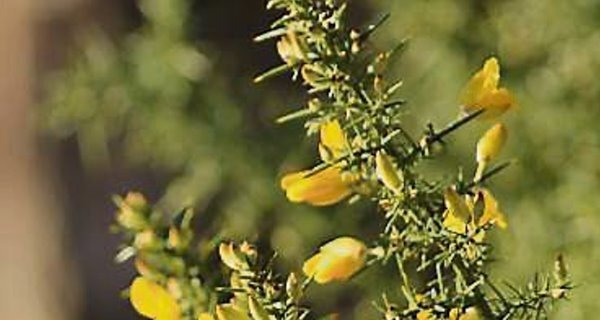
It’s the gorse-burning season when hill farmers burn off vegetation to allow for fresh growth, even if the wildlife laws ban burning between March 1 and August 31.
The law is being flouted, people’s homes are put at risk, fire brigades are stretched to capacity and wildlife habitat is being destroyed at a delicate time for nature.
Cork, Kerry, Galway, Mayo, Donegal and other counties are all affected and, according to Oonagh Duggan, of Birdwatch Ireland, there’s been a significant impact on birds already in the Slieve Aughty Mountains.
In addition to the destruction of nesting sites, any hatched chicks will have perished in the fires, or could face slow starvation as their main source of food has gone.
Upland birds affected may include red grouse, curlew, golden plover, dunlin and meadow pipit, all listed for conservation and nesting by now.
Yet, there are very few prosecutions of people who start these illegal fires. Previously, burning was allowed until April 15, but was changed for environmental reasons.
However, farmers feel March 1 is too early a cut-off point. Farmers and their advocates, such as Kerry Fine Gael councillor John Sheahan, want a return to April 15, pointing out that date still applies in Northern Ireland.
“At the moment, farmers are being made into criminals, but the law as it stands doesn’t give them a fair chance,’’ says Mr Sheahan.
Apart from wildlife, there are other considerations. Homeowners live in fear of out-of-control mountain fires.
We’ve seen several examples of fires coming right up to houses and, only for the sterling work of firefighters or a timely change in wind direction, homes would have been burned down.
Large tracts of forestry are regularly burned while areas like Killarney National Park, which contains some of the oldest oak and yew woods in Ireland, are regularly threatened.
Sometimes, sections of parks are destroyed. And, don’t forget, fires can also be started accidentally by people carelessly throwing away cigarette butts, or lighting fires in forests and mountain areas.
Thankfully, we get nothing like the spectacular wildfires in California and the Australian bush. Forest fires in Ireland are on a much smaller scale.
Coillte, however, has a fire and emergency plan for every forest, involving fire breaks, fire patrols, communication with fire brigades, and the use of specialised equipment including helicopters.
But, experts, such as Dr Ciaran Nugent, have highlighted the need for specialised forest and mountain firefighting units, within the fire services.
CONNECT WITH US TODAY



Be the first to know the latest news and updates