As a father, solicitor and counsellor, I object to same-sex marriage
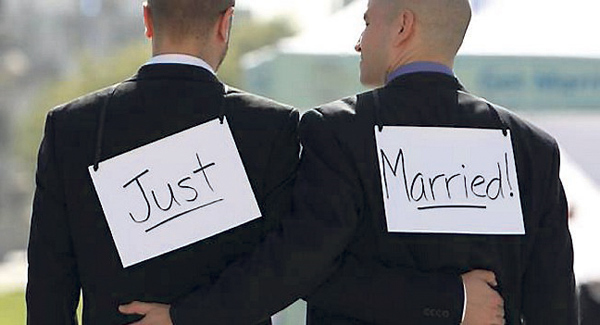
I will, as a spouse, a father, a grandfather, a practicing solicitor and a retired marriage counsellor. That is not intended to be hurtful to anyone.
1. The Law of the People
Our Constitution has two important aspects:
it is the law of the land and all other laws must comply with its terms. It deals with the principal institutions of, and individual rights in, this State; secondly, only the people of Ireland can change the Constitution, by passing or rejecting a proposal in a referendum.
2. The fundamental rights of the family.
(i) Article 41 of our Constitution recognises the family as a natural, fundamental unit of society. Sub article 3.1. reads: āthe State pledges to guard, with special care, the institution of marriage, on which the family is founded and to protect it against attackā.
(ii) While Article 41 is proposed for amendment, it is important to consider Article 42, also. It deals with education. The State gives recognition to the family as the primary and natural educator of the child.
These two articles are the context within which the State now wishes to add a new definition of marriage.
In considering this definition a, voter has to consider: a) the rights of parents (b) The rights of children (c) The rights of the common good.
Parents are of fundamental importance to a child. Mothers and fathers are important in the nurturing of their children and, whenever possible, children should have both female and male nurturers, as both sexes bring different skills and values to child-rearing.
Society has a right to step in, in exceptional cases, when parents fail, for one reason or another. In deciding whether or not this new proposal, in relation to marriage, is necessary, we, the voters, must balance all these elements, but with the fundamental interest, natural rights and well-being of the child as the primary aim.
3. Marriage at present:
When the Constitution came into operation, in 1937, it was a heterosexual relationship that was being recognised and given this protection.The Constitution has been consistently interpreted as such by the courts.
4. The proposal
āMarriage may be contracted in accordance with law by two persons, without distinction as to their sexā: that is the proposed amendment.
The proposal seeks to make three different relationships the same in the Constitution, simply by changing the label of ācivil partnershipsā to āmarriageā. This is confusing. They are not the same. āMarriageā should not be turned into a polite, meaningless word. Take as an analogy the relabelling of differences. If we relabelled āwomenā and āmenā by saying that all āwomenā must use the name āmenā, does that abolish the difference between men and women or diminish equality? If you rename lemons and apples āorangesā, do lemons and apples become oranges?
5. The equality argument In the Constitution, Article 40.1, in relation to equality, reads as follows:
āAll citizens shall, as human persons, be held equal before the law. This shall not be held to mean that the State shall not, in its enactments, have due regard to difference of capacity, physical and moral, and social functionā.
In every day life, we meet and cope with differences. We cannot ignore difference and pretend it is not there.
6. The Civil Partnership Act, 2010
The Civil Partnership and Certain Rights and Obligations of Cohabitors Act, 2010, is a huge act of 114 pages.
It deals with, in relation to civil partners: the status of civil partnership; the registration of civil partnership; shared home protection; maintenance of civil partners; attachment of earnings; succession: domestic violence, etc.
Our Constitution has served us well. The insertion of an imprecise sentence on āmarriageā will dilute the strength and clarity of this important article, and of Article 42 also.
The rights of parents and children may be affected.