Foxes are at home in cities
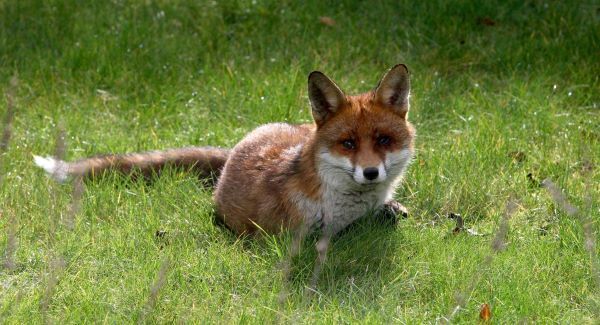
Foxes mate in January/February and gardaí have been called out, at times, by concerned people to investigate such screams which can be like those of a child in distress.
Despite being painted, historically, as a villain in children’s storybooks, and a killer of farmyard fowl, the fox is a human’s friend in many ways. In a recent column, we referred to a huge growth in the rat population this year, but the fox preys on rats and it is estimated in some studies that the average fox can kill upwards of six rodents per day.
People keeping hens these days usually have them well protected – indeed mink can be a bigger threat in that regard in some areas. We regularly see foxes crossing roads at night and the population would appear quite strong. Unfortunately, though, many foxes are also killed by traffic.
The old saying, ‘’as cute as a fox’’, contains more than a grain of truth, for this is a very intelligent animal as evidenced by the way it has adapted to the urban environment. According to research in England, there are about 33,000 foxes roaming UK cities, and clearly thriving there. I’ve seen foxes nonchalantly walking around residential areas of London after dark, looking very much at home.
Urban foxes are common in Dublin city and suburbs, and can be seen at night around Grafton St and O’Connell St, with dens near Dáil Eireann, Tom Wall, a UCD zoology researcher, has noted on the Mooney Goes Wild RTÉ programme. They’re also seen in Cork city.
Foxes can poke out ample food by raiding domestic waste bins or eating food left out for household pets. So, if you don’t want them around, don’t leave food lying around outside. Where foxes are common, many houses will be visited at some stage of the night, back or front garden.
Mr Wall says people should not panic if they see a fox in the garden, pointing out that foxes are pretty harmless and they will run away if approached. However, as with all wild animals, never try to corner a fox as it may bite in panic.
The fact that urban foxes can be very daring sometimes upsets people. This is because they have become accustomed to the noise and smells of the city.
The vixen gives birth in March/April to four or five cubs in the den and, during the summer, the young will spend a lot of time playing above ground. From late September the cubs begin to disperse to find their own territories.
CONNECT WITH US TODAY



Be the first to know the latest news and updates