Threats to salmon widen
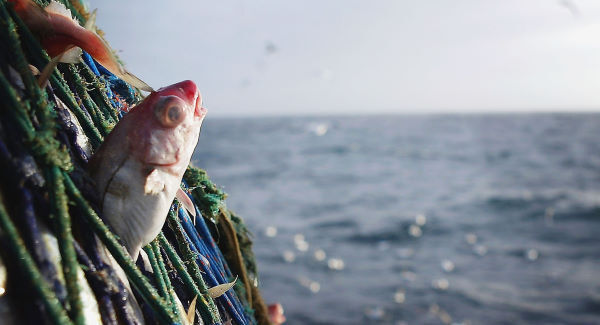
Some years ago, we were told the likes o drift-netting, pollution, poaching, and inter-breeding with farmed salmon that formed the main threat to the wild species. But other issues have also emerged, such as changes in ocean temperatures due to climate change.
There have been marked changes in plankton production, leading to a huge reduction in salmon numbers. A half-century ago, there would have been around 8m Atlantic salmon at sea, but that figure is now down to 3m, or less, according to Ken Whelan, research director with the Atlantic Salmon Trust and formerly of the Marine Institute.
Reasons for the decline are complex and, despite efforts to reduce catches by net and rod and to protect habitat, return rates from the ocean have stayed “stubbornly low”, says Dr Whelan. The number of salmon mustering at sea prior to their arrival in fresh water has fallen by more than two thirds and the overall survival of salmon at sea has remained low.
The survival of young salmon at sea, after leaving fresh water, is also very low and is causing serious concern — up to 95% of a river’s output can be lost, a sign that things are happening which inhibit a young fish’s ability to feed and grow at sea.
Writing in the latest issue of Sherkin Comment, Dr Whelan also says more subtle forces may be at work, such as competition with other fish for food, as well as parasite infestation from poorly sited fish farms.
Research into salmon migration corridors is continuing and should help provide the level of protection currently given to other Special Areas of Conservation (SAC). Dr Whelan also calls for protected areas for salmon to go hand in hand with knowledge of their migration corridors.
It’s vitally important that every effort is made to boost numbers of young salmon in fresh water. “This is the only component of the salmon’s complex life history where managers can take direct action to mitigate the losses at sea,” he stresses.
He also acknowledges that great progress has been made in improving water quality and making the salmon’s journey easier through removing dams and other obstacles.
In the past, Dr Whelan says, when people talked about the impact of forestry, pollution, and fish farming they might have believed they had the luxury of time to deal with such issues. Not so now.
“In the face of what we now know about the unprecedented risks facing our wild salmon stocks, taking urgent management is no longer a choice, it is an imperative,” he says.












