Debate on cutting taxes: Help the low paid when time is right
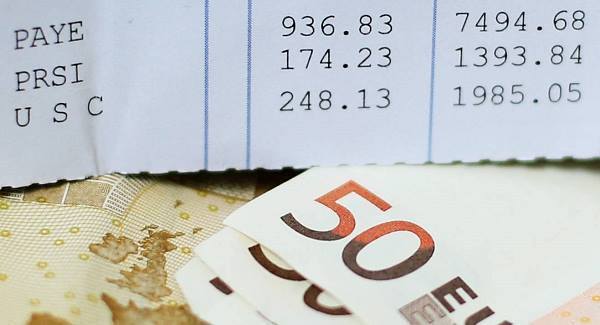
Despite that, social justice and some version of equity usually — but not always — flow from effective and decent tax policies. That, like it or not, is a reality of capitalism, especially in a society that’s not entirely in control of its own affairs and occasionally dependent on the expensive kindness of strangers.
Nevertheless, any political party worthy of a vote must use taxation, direct or indirect, to create a regime that is fair, decent, and allows people live with dignity and in security. How that remote Nirvana is reached is the subject for debate between coalition partners Fine Gael and Labour though, as senior voices in each party assure us, it is not the catalyst for a conclusive, election-provoking rift. Not yet, anyway.
Labour wants to focus on measures that would help low-paid workers by cutting the universal social charge while Fine Gael insists it is possible to help middle earners as well. This process is not made any easier by a less than objective opposition who suggest, disingenuously naturally, that any tax-cutting measures will help high earners disproportionately and maybe even exclusively.
Speaking yesterday, Tánaiste Joan Burton argued that “the emphasis... has to be on improving the situation for relatively low-paid people on €34,000 to €35,000 or a couple who enter the top rate at what is a modest level of income ...” It is impossible to argue with that assertion but a policy to help the infamous squeezed middle, that unfortunate cohort who pay for everything, is just as important and pressing. As would one that might help those dependent on welfare.
That this debate is so alive at a moment when Government borrowing will rise slightly this year because some departments, notably Health, require extra funding, should sound a note of caution. That the extra funding comes to €1.1bn — a neat fit with the €1.1bn collected unexpectedly in taxes — shows how uncertainty is such a feature of Government financial planning. As is the prospect of re-election for any administration dealing with these terrible challenges.
The report from estate agent Knight Frank, that our property market is the fastest growing in the world, should send a shiver down our collective spine and make us even more cautious. Irish property prices, that circular index of collective lunacy, recorded an annual growth rate of 15% in the year to September. Ireland has outperformed Turkey (+14%) Dubai (+12.5%), and the UK (+10.5%) to top a list of 54 countries. If this is not insanity, what is? That car sales rose by 12% in November, hardly the busiest month in garage showrooms, may be good news for some but if that figure is achieved through a corresponding growth in personal debt then we have even more reasons to be cautious.
Everyone who lives on less than, say, €70,000 a year, should get some reduction in their tax bill, but those earning half that should get a greater reduction than those at the top of that range — but only when the time is right.