Home birds baulk at sprint finish
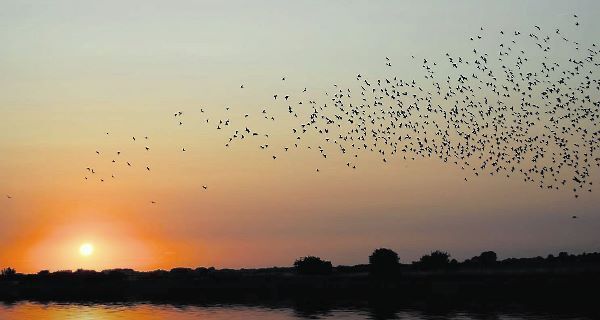

But do birds depart with the great energy and zeal they displayed when arriving here in the spring? According to a Swedish study, just published, they don’t. Cecilia Nilsson of Lund University claims that migrants arrive full of determination and enthusiasm but delay and dawdle when returning south in the autumn.
The breeding season over, a bird must moult. Then, equipped with a new set of pristine flight feathers, it’s ready to head southwards. Soon, it reaches the coast. Reluctant to venture out over the sea, a migrant will follow the coastline as far as it can. Scandinavian birds converge on the Falsterbo Peninsula at the south-west tip of Sweden, a famous bird-watching site, where the two coastlines of Scandinavia come together. There the travellers wait for favourable weather before crossing to the Danish islands and Germany. Most small birds migrate at night; they are safe from predators then and the daylight hours can be used to lay on extra fat for the journey. Radar allows scientists to ‘see’ flocks in the dark. Nilsson and her team used it to monitor bird movements at Falsterbo over a three year period.

CONNECT WITH US TODAY



Be the first to know the latest news and updates











