Property rights are not unquestionable
Abortion may be the divisive issue in this and many other societies but that is probably because we have not discussed property rights and the impact that idea, that vague but apparently inviolable principle, has right across society.

Property rights are not unquestionable

The subject is, like anything to do with money or property, fraught with complexity, conflicting interests, exploitation and distrust.

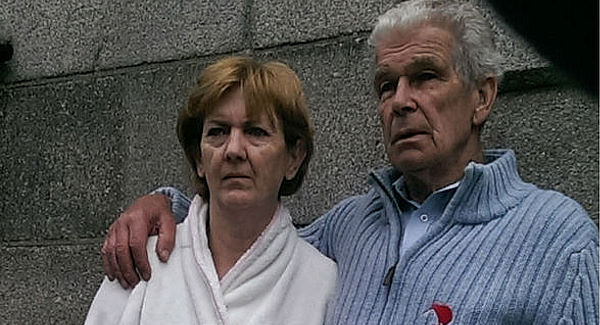
This week at a sitting of the Circuit Civil Court in Dublin property rights played out in a most unacceptable way when pensioners Martin and Violet Coyne were evicted from their home of 15 years. Their security of tenure — and how that phrase resonates in our folk memory — ended when their landlord went into receivership in 2012. The receiver, on behalf of ACC Bank, sought to sell the property to reduce debt owed to the bank by the Coynes’ previous landlord. Through no fault of their own the Coynes lost their home and because of the housing crisis they, like tens of thousands of others, struggled to find an affordable alternative. Property rights trumped tenants’ security.

Is it any wonder then that we prefer to be home owners rather than tenants if, after 15 years people, presumably rent compliant, can be evicted as part of a debt-recovery exercise? Is it any wonder that in a country where tenants do not have any significant rights until they have rented a property for 20 years that home ownership, even if that means a 30-year mortgage on a ghost-estate house hours from your place of work, is the preferred choice of the great majority of people?

It is hard not to think that we might have fewer ghost estates, fewer people in negative equity, fewer mortgages in default — or even fewer mortgages — a housing crisis in Dublin where prices are returning to property-bubble levels, so many sub-standard housing developments or, occasionally, absolutely bizarre prices paid for development land or adult children living with their parents, if we had a system that was better balanced between the rights of landlords and tenants, a system that served both sets of interests fairly and securely. The kind of system that means renting a home is far more commonplace in so many other societies. In the commercial sector it might even mean an end to the tyranny of upward only rent reviews.

Despite that, and because necessity is such a hard task master, more people are renting homes today than at any time since the 1950s. The rental sector is a vital part of the housing system, serving those who value flexibility or those who are unable or unwilling to become home owners and all the long-term obligations that entails.

Naturally, property owners, professional landlords and some mortgage providers are opposed to any interference in their business, but housing agencies and charities dealing with the fallout from an every-man-for-himself market want more support and intervention on behalf of tenants. Even if government after government has avoided these issues this week’s court ruling, and ever more concentrated urbanisation, mean that they will have to be resolved sooner rather than later. It is time we put people’s rights on a par with property rights and we should be able to do that in a way that improves everyone’s situation.

x

More in this section

Revoiced

Newsletter

Sign up to the best reads of the week from irishexaminer.com selected just for you.

Cookie Policy Privacy Policy Brand Safety FAQ Help Contact Us Terms and Conditions

© Examiner Echo Group Limited









