It’s not different this time either
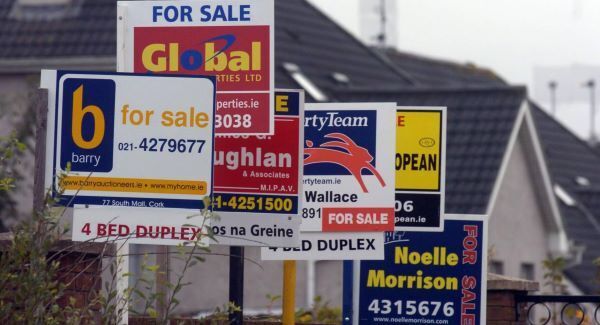
The delusion was a widely endorsed government policy and it was considered treasonable to challenge it. It’s acceptance played a significant part in our economic collapse and the destruction of Fianna Fáil. That the delusion was followed by another official fantasy, the one predicting a “soft landing” probably qualifies those wildly inaccurate analyses for comparison with Sinéad Bean de Valera’s wonderful collection of Irish fairy tales.
Those delusions, embraced if not entirely believed by a great number of sensible people and, regrettably, promoted by a cheerleading media, brought a number of political, banking and regulatory careers to an ignominious end.
The most profound legacies of those fantasies are, however, the loss of faith in capitalism’s capacity, or even its inclination, to behave responsibly and the tragedy of a generation trapped in unsustainable debt and negative equity. The calamity is compounded by the spirit-breaking reality of young families trying to sustain a life defined by the economies of a decade ago but struggling to cope with the greatly reduced disposable incomes of today. The lesson was so very hard that it would be reasonable to assume it would be many, many years, if not decades, before we stepped on that almost uncontrollable, big-dipper property ride again.
Nevertheless, this week the ESRI recorded that property prices rose by nearly 16% in Dublin and 6% nationally last year. This swing must send something approaching a shiver down the national spine, especially as there are strengthening indications of a sustained, if not yet widespread, economic recovery.
Those ESRI figures mean that something around 45,000 people are no longer in the negative equity bind — and as prices continue to rise fewer and fewer people will be. But it does mean that anyone trying to buy a home must commit an ever greater proportion of their income to bricks and mortar. The obvious knock-on being that they have less to spend on other goods or services, thereby diverting more money from the day-to-day economy. Whether the reduction in negative equity and the consequentially improved lenders’ balance sheets — as less provision for anticipated loan losses is needed which should mean more money available for lending — is enough to counter that negative influence only time can tell.
Central Bank chief Patrick Honohan has repeatedly assured us that he has the tools he needs to ensure that we do not provoke another cycle of property boom and bust, and it must be hoped that he is right or, better again, that we never have to find out.
This week’s Central Statistics Office figures are as sobering as those published by the ESRI. They record that disposable income continues to fall in many households. The CSO said gross disposable income was €22.2bn in the first quarter of this year, representing a fall of €1.1bn or nearly 5% — 4.8% — on the previous quarter.
A combination of rising house prices and falling disposable income is a far from ideal situation and adds another layer of complexity to an already volatile mix, not least the growing expectations for tax breaks, ahead of Budget 2015 — which must be finalised in less than three months.