Tough driving laws - Changes are not before their time
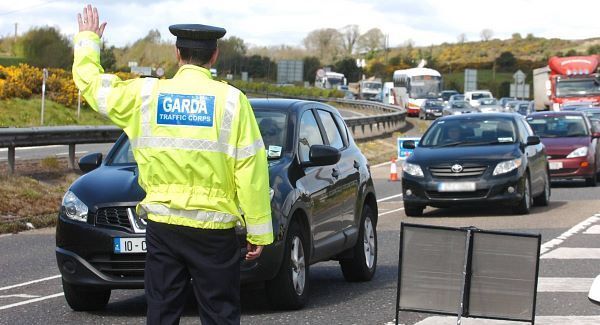
And yet, only now, four years to the month after the deadliest road crash in the history of the State, which claimed the lives of eight young people aged between 19 and 23, has the Government finally taken the kind of decisive and meaningful action that just might succeed in putting a stop to the mindless activities of the young people responsible for causing these heartbreaking events.
At long last, parents who live in dread of getting a late night call from the gardaí to say their son or daughter was killed in a crash, will derive a modicum of comfort from tomorrow’s introduction of tough new laws aimed at cracking down on this catastrophic state of affairs. From now on, every new driver will have to display a special N, for novice, plate on their vehicle for two years after they get a licence. Designed to make the roads safer for everyone, it is among a raft of changes announced yesterday by new Transport Minister Paschal Donohoe. And not before time, because, ominously, the announcement follows a 17% increase in last year’s toll of 190 road deaths after a steady decline from 279 deaths in 2008.
The urgency of getting to grips with the horrendous carnage of young drivers was graphically illustrated by figures showing that 38% of the 212 fatalities on the roads in 2010 were under the age of 25. It should not be forgotten that behind every statistic is a grieving family and a young life cut short before its time. The graveyards of some parishes have more than their share of young drivers who died needlessly on the roads. The families of the eight young Donegal people will never forget the accident which claimed their lives in 2010.
It remains to be seen, whether tomorrow’s sweeping changes will deter those, including so-called joyriders, who put their own and others’ lives at risk. In a bid to make young drivers think twice before speeding, using a mobile phone or not wearing a seatbelt, they will face double the penalty points incurred by other motorists for such offences.
Newly licensed drivers will also face stiffer penalties than other motorists. For example, N-plate drivers will be banned for six months if they accumulate six penalty points, rather than the 12 for fully-qualified drivers. They will also have a lower permitted blood alcohol limit — 20mg compared to 50mg for experienced drivers.
The bank holiday weekend will usher in a welcome bid to change the culture and mindset of all Irish drivers. From tomorrow, penalty points for speeding, holding a mobile phone while driving, not wearing a seat belt or not using child restraints will increase from two points to three. If people don’t pay the fixed charge and are convicted in court, the points will increase from four to five.
No doubt, debate will continue to rage between the nanny-state lobby and those who bemoan the demise of social life across rural Ireland where pubs are vanishing. The way things are going, those “experienced” drivers who persistently flout the drink-driving laws will be blamed for a zero-tolerance policy towards drinking and driving where the merest whiff of alcohol will be outlawed.
Unfortunately, introducing tough legislation alone will not rid us of dangerous drivers who perform handbrake turns and burn doughnuts on country roads. The only answer is to give gardaí the cars and other resources they so desperately need.
CONNECT WITH US TODAY



Be the first to know the latest news and updates