A new life for uisce beatha
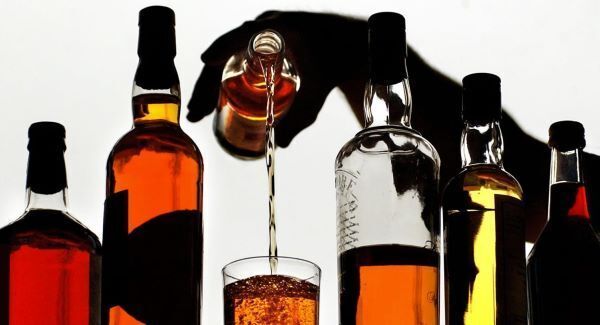
The stuff left over from the distillation process can be turned into fuel for cars, or even planes, and could be on sale at petrol stations in a few years. Research has been underway in Scotland for several years and continues to receive Government and European funding. Distilling is now one of Ireland’s fastest growing industries. Sales of Irish uisce beatha globally have doubled in the last 10 years and are up by nearly 50% since 2008. Sales are growing at around 10% annually.
We might think we’re big whiskey producers (and drinkers!) but the Scots produce about 14 times more whiskey than we do. Little wonder then that it has often been said that whiskey is the power that drives the Scottish economy.
Latest news from Celtic Renewables, the Edinburgh-based biofuel company headed up by an Irishman, is that it has signed an agreement with Europe’s foremost biotechnology pilot facility to undergo next-stage testing of its process to turn whiskey by-products into biofuel that can power vehicles. Work done by Celtic Renewables at the facility should enable the production of the world’s first industrial samples of biobutanol derived from whiskey production leftovers, allowing it to be used as a direct replacement for petrol and diesel, without the need to modify engines.
Founder and boss of Celtic Renewables is Professor Martin Tangney, a UCC graduate and the man who established Britain’s first centre dedicated to biofuel research at Edinburgh’s Napier University, in 2007. He is now planning to complete the next crucial stage of the development.
Only 10% of what comes out of a distillery is whiskey, so what to do with the remaining 90% — amounting to well over 400 million gallons in Scotland annually — creates a disposal problem. Some of it is being turned into fertiliser and cattle feed.
Prof Tangney believes a high percentage of what might be termed ‘’liquid gold’’ can be converted into fuel with environmental benefits in the form of reduced dependence on oil and cuts in greenhouse gas emissions. And it would also provide people in remote, whiskey-producing areas with energy security.
The Irish whiskey industry, meanwhile, is talking about a new golden age — 16 companies are in various stages of production, sales and development and there could soon be ample by-products to create a spin-off fuel industry here.