Medical cards U-turn: Humanity must inform new system
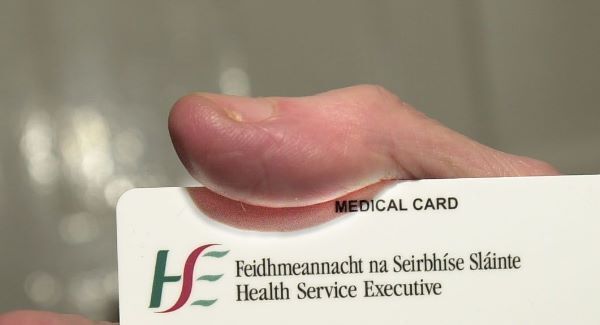
Though the episode was a very bruising experience for Government, it was even more so — and unnecessarily cruel — for individuals or families who lost support at a vital time in their lives. This reality was expressed with some force at last month’s elections when the Coalition parties were severely punished.
And it was all so unnecessary, because Government had been warned, time after time, that its policy was causing unintended and unnecessary hardship. For months on end, Taoiseach Enda Kenny and his Government colleagues refused to acknowledge that the unavoidable review was cack-handed, badly targeted and that they would eventually have to review the review.
That moment arrived at yesterday’s Cabinet meeting, but not before personal and political credibility were needlessly squandered — and not before thousands of medical card holders were put through the mill in a most distasteful, insensitive way. It is a pity though that it took a crisis of sorts to change the Government’s view and that unnecessary hardship and worry was inflicted during the process. It must be hoped that the lesson — that reform, no matter how essential, must be tempered with humanity and decency — has been learned. The episode has highlighted other issues worth considering.
The first is the depiction of Health Minister James Reilly. He has been widely criticised on this and other issues even though he and the HSE warned the Cabinet very strongly before it began the medical card review, of the potential for disaster. It should not be forgotten that he was asked to cut more than €110m from the medical card bill. But with support from the HSE, he had that target cut by over 75%.
Though this is a considerable achievement, he has been the focus of the most forceful criticism. This has brought his future as a minister into question, despite the undeniable fact that reforming our health system is probably the greatest challenge in public life today. Though Mr Reilly has blundered, and he has acknowledged this, it is hard to think of any other Government figure who might find a way through the health quagmire — it was not called Angola for nothing — without occasionally tripping up or treading on a few well-entrenched, self-serving toes. A calmer evaluation might suggest his position is not as weak as is widely suggested, unless of course he has been designated the Coalition’s sacrificial lamb.
The review also confirmed that just under half of the population enjoy the support of a medical card. This seems a very high ratio and hardly suggests the kind of personal responsibility that might characterise a robust, successful society. Anyone who really needs a medical card must have one. But perhaps we should reconsider how eligibility is established and remind ourselves that it is a social support not a social right. Yesterday’s admission might well be the start of that important process.