Religious education - Church must allow pupils to opt out
That twin scenario has been reflected at the annual round of union conferences when teachers got an opportunity to air their grievances and Education Minister Ruairi Quinn was given a rare chance to smooth ruffled feathers and, at the same time, throw down the gauntlet to the Catholic Church, an institution which, if no longer as dominant as it once was, largely through problems of its own making, is still a force to be reckoned with in the realm of education.
With local and European elections looming next month and the Labour party in dire peril, according to opinion polls, the INTO conference in Kilkenny was the ideal setting for Mr Quinn to announce good news on the thorny question of pay. For a change there was a positive response from the floor when he told delegates that progress on equalising pay scales could be made in the near future. In reply, Sheila Nunan, leader of the country’s biggest teacher union, told him she hoped a deal on a new scale for young teachers would be clinched within weeks, but reminded him that what really concerned teachers was the education of young boys and girls.
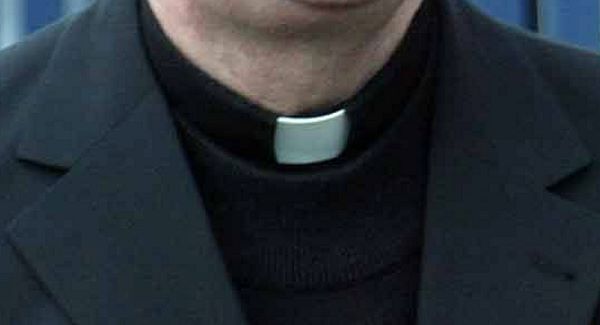
Mr Quinn’s tangible impatience with the Catholic Church involves its patronage of primary or national schools, a power that includes the appointment of teachers. Despite the changing face of Ireland’s religious ethos, he accused the Church of failing to identify any school under its control anywhere in the country which could be seen as a model of implementing a policy of inclusiveness towards children of other religions.
He claimed two years had passed since the Forum report called on the Church to provide examples of schools successfully managing the challenge of diversity by catering for children from other persuasions. Strongly criticising its attitude, the minister complained that not a single example has yet been produced.
The crux of this debate is whether schools are actively enabling non-Catholic children to opt out of religious education by offering them alternative classes. In a debate which reflects the changing face of modern Ireland, the spotlight is also focused on the difference between a form of religious education where children are taught about religion as opposed to a kind of ‘faith formation’ in which the tenets of Catholicism are exclusively taught in the classroom.
Illustrating the yawning gulf between both sides, Fr Michael Drumm, chair of the Catholic schools Partnership, argues that many examples of inclusiveness were visible in schools across the country. It is, however, hard to credit his contention that “a huge number of schools” were “doing this very well”.
The debate between State and Church reflects the changing face of modern Ireland. Calls for change ought to be taken on board by a Church whose power and influence have waned significantly following a series of scandals.
In today’s secular world, a spiritual dimension has never been more important. There should be no question of eliminating religious education from the country’s national schools. However, there is an onus on Church authorities to adopt a truly inclusive approach towards non-Catholic children by allowing them to opt out of religious education.


CONNECT WITH US TODAY



Be the first to know the latest news and updates