Climate change - A chance to reconsider priorities
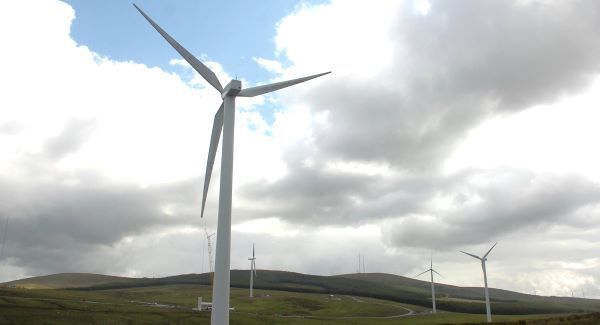
The confirmation that the Midlands wind farm project, involving anything up to 2,300 turbines, will not go ahead was inevitable once the British government lost faith in the capacity of wind to meet a significant proportion of Britain’s energy needs.

Climate change - A chance to reconsider priorities

The Conservative-led coalition also concluded wind farms would have an unacceptable impact on host communities and refocused its ambitions on nuclear energy and North Sea reserves. Grant Shapps, the Conservative chairman, said Tories want to focus on offshore wind and they are completely opposed to onshore turbines “all over the place”. That commendable reservation did not extend to the Irish midlands, however.

It is unfortunate that this country’s first experience of renewable energy proposals on such a grand scale would have had a huge social impact, an impact unacceptable to those in Britain who were to buy the energy flowing from the project. That the deal has fallen though affords us and opportunity to consider if we need stronger safeguards for communities expected to host such projects as they are inevitable. The hierarchy of rights — host community, investors, landowners, benefactors, and energy companies — may need to be reordered too.

That the confirmation that the deal had fallen through came just as the UN’s Intergovernmental Panel on Climate Change warned, once again, that very significant cuts to greenhouse gas emissions are essential to avoid “dangerous” climate change is a reminder of how very divisive, how very politicised, climate change is. It also underlines how very pressing projects like the one proposed for the midlands are.

The IPCC found that, despite declarations to the contrary by governments, including our own, the output of carbon dioxide and other climate-changing gases has increased in recent years. Despite this, Britain — and other countries — has decided to rely on tried and tested carbon-based means of generating energy.

That leading scientist and proposer of the Gaia hypotheses, James Lovelock, the man who identified the destructive role played by CFCs in the atmosphere, has suggested that saving the planet from climate change is “beyond our ability” and we should stop wasting time fighting global warming. Rather, he suggests society should retreat to “climate-controlled cities” and give up on large expanses of land which will become uninhabitable. This warning may be more dystopian than is palatable on a Monday morning but, if you accept the escalating warnings, it is one that may have to be considered if not confronted in coming decades.

Whatever position you adopt, it is obvious that, from an environmental, economic, and national security point of view, we must dramatically reduce our dependence on imported energy, carbon-based or otherwise. We still import something around 90% of the energy we use and in a world, to highlight just one flashpoint, where energy-rich Russia is flexing its muscles, the sustainability of that addiction is dangerously questionable.

However, the next set of proposals for large-scale renewable energy projects in Ireland must have, as its core objective, a reduction in energy imports and an obvious benefit for communities asked to accept the imposition of life-changing wind farms. In that context, it seems obvious that all proposals for wind farms should be offshore and far away from any communities — just as David Cameron’s government has decreed.

More in this section

Revoiced

Newsletter

Had a busy week? Sign up for some of the best reads from the week gone by. Selected just for you.

Cookie Policy Privacy Policy Brand Safety FAQ Help Contact Us Terms and Conditions

© Examiner Echo Group Limited