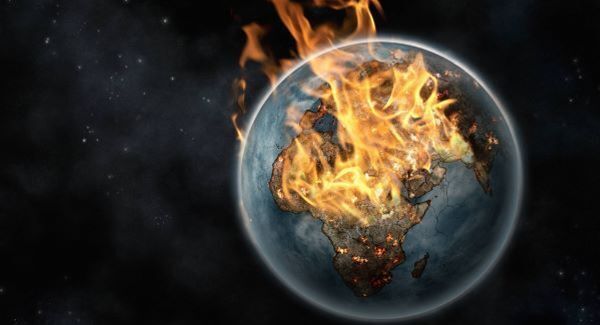
Climate change report - Inaction will have lethal consequences
Though the issues are grave, the affair pales into insignificance when judged against the study from the Intergovernmental Panel on Climate Change, which is to be published today. It is unlikely, however, that the report will get more than a passing mention in public debate; maybe even less in political discourse.
Within 24 hours, just as the Garda whodunit sucks up all of the oxygen needed to sustain a news story, the IPCC document will join myriad climate reports, ignored but not forgotten, in some back office manned by frustrated and frightened people.
The report will warn of a growing threat to food supplies, livelihoods, health, and security across the world. It warns, for the umpteenth time, that we must break our addiction to fossil fuels if we are to have any realistic chance of stopping catastrophic climate change.
Even though fossil fuels are at the very heart of our economy, food production, and food security, this winter’s storms and destructive floods gave a glimpse of what might lie ahead, especially for an island nation with nearly all of its main cities built on river estuaries. What we have not experienced is the impact that climate change will have on food production.
Development charity Trócaire has warned that 40% of the world faces food shortages or illness because of water scarcity and that, in three decades, crop yields will fall by up to 22% across sub-Saharan Africa. Though we are not expected to face challenges as daunting, the warnings are clear. Coastal communities face greater storm surges, flooding and rising seas. Homes, businesses, water treatment, and power plants in urban areas face greater flood threats. Drought will limit drinking water and storms may threaten electricity supplies.
This September in New York, world leaders, including Taoiseach Enda Kenny, will be asked to commit to measures to develop the 2015 international climate treaty, at the UN Secretary General’s climate summit, yet we still await a Climate Change Bill.
The Department of the Environment has said it will be published before Easter, but that final bill will not contain targets but will be an “overarching” piece of legislation looking at how we will achieve our EU nd international targets. Wishful thinking rather than obligation seems to be the implication of that statement, even if such latitude seems very unwise.
Just as it was left too late to confront the culture that has done so much to weaken An Garda Síochána and as a consequence, our faith in our justice system, we are, it seems, sitting like rabbits in the climate change headlights even if the consequences may be of a different, far more devastating order altogether.


CONNECT WITH US TODAY



Be the first to know the latest news and updates