Finding balance in nature
It might be said that fish and water-attracted birds are about the only wildlife that relish flood conditions.

Finding balance in nature

For others, floods, especially when storms are an additional factor, can have negative effects.

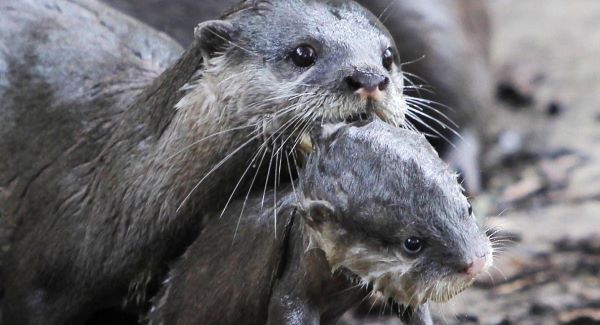
Following exceptionally heavy rain this year, new wildlife records have been set at the Bog of Allen Nature Centre in Lullymore, Rathangan, Co Kildare, where, for the first time, an otter and a red squirrel were spotted in the area by volunteers and staff.

Otters live in freshwater and coastal habitats and, although there is plenty of freshwater peatland habitat in the Lullymore area, this would not be a typical home for them.

The Irish Peatland Conservation Council believes the otter may have been drawn away from its natural habitat, possibly a canal, due to recent flooding on cutaway peatlands in the area. The otter’s holt, or nest site, may well have been inundated.

The otter is a protected species and has a good range in Ireland, but is not that numerous. The main reasons given by experts for the poor population include water pollution and clearance of vegetation close to the habitat, but many are also killed on the roads.

The second surprise visitor to the centre was a red squirrel that came to the bird feeding station. The red squirrel, now under pressure from the introduced American grey squirrel, is also a protected species here.

Flooding can cause devastation for wildlife when there is not enough space across the landscape for animals to take refuge from extreme events. Some species are hard hit in prolonged wet weather. Barn owls, for instance, might be unable to go out to hunt during continuous nights of rain, without their delicate plumage becoming waterlogged. Barn owls are already endangered.

Water voles spend much of the winter in their burrows where they store food. But, according to the Wildlife Trust, water levels can rise so fast that voles are flooded out of burrows and washed away.

On the other hand, rivers in high spate allow migratory species such as salmon to swim further upriver to spawn — good news for breeding numbers, as long as their nests do not get damaged by the flows. The eggs of fish such as Atlantic salmon and brown trout that have been laid in gravel on the river bed are at risk of being washed away. When flooding is not excessive, however, it can help plants and animals to spread across the landscape. Seeds are moved around in floodwaters, settling in new places. But this also means that invasive plants can also disperse.

As always, finding the balance in nature is the difficulty.

More in this section

Revoiced

Newsletter

Sign up to the best reads of the week from irishexaminer.com selected just for you.

Cookie Policy Privacy Policy Brand Safety FAQ Help Contact Us Terms and Conditions

© Examiner Echo Group Limited