Nesting controls numbers
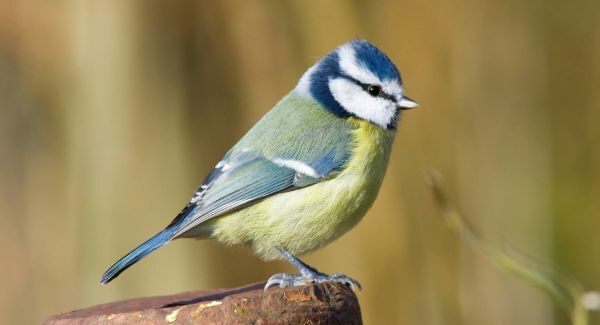
I have quite a large garden and I had some heavy bags of compost in the back of my jeep so yesterday I drove down to the vegetable plots. I parked and unloaded and, about an hour later, I was taking a break from the work when I heard an odd noise.
The dog, who is my garden assistant, heard it too and cocked his head on one side in a puzzled manner. It was a persistent, rapid tapping noise, like a miniature machine gun. It took me a few minutes to track down the source. A blue tit perched on the wing mirror of the jeep and frenziedly pecking at the glass.
I had obviously parked in the bird’s territory and it had decided that its own reflection was a rival to be attacked. The attacks were so ferocious and went on for so long that I eventually moved the jeep. I was worried that the blue tit would do itself harm battering away at the hard glass.
Blue tits nest relatively late in the year, delaying until there’s a plentiful supply of small caterpillars to feed their large brood. But the vital business of finding a nest site and defending it is already well under way. Blue tits nest in holes and crevices in old trees, buildings and walls. There is a limited supply of this type of site so finding one and defending it is very important.
In fact I have become convinced that the availability of nest sites is a crucial factor in setting population limits for hole-nesting birds. When I lived on the coast I studied a small population of choughs. They nested in crevices in sea cliffs and were very fussy about them, preferring a crevice that was actually inside a sea cave. Over the years I decided that the size of the chough population on that part of the coast was controlled by the success they had competing for nest sites with jackdaws, which have similar preferences.
Dead or diseased trees with holes in them are increasingly removed, drystone walls are replaced by mortared blocks and rotting wooden fascia boards by PVC. It’s no wonder that there was a hint of desperation in the way the blue tit in my garden attacked its ‘rival’ in the mirror.
And that, of course, is the reason why it’s a good idea to put up artificial nest boxes. Just bear in mind, particularly if you make your own nest boxes, that different species have different preferences —- the size of the entrance hole in an enclosed box is quite crucial in this respect.
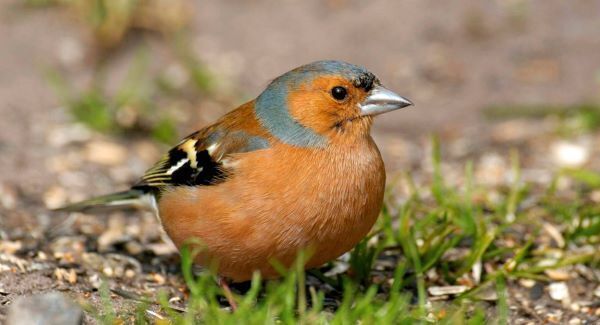
The chaffinch is Ireland’s commonest finch and among the top twenty commonest birds in BirdWatch Ireland’s Garden Bird Survey. Males are brightly coloured but, as the breeding season approaches, their salmon pink becomes even brighter and paler. Females are much less striking in sombre greys and browns but both sexes have distinctive white wing bars.
Chaffinches are seed eating birds that prefer to forage on the ground, often forming large flocks where there is spilt grain or fallen beech nuts. The first eggs are usually laid at the end of April and the young are fed on insects, mainly caterpillars.
During the breeding season the adults usually change to this higher protein diet as well, which is rather unusual among finches. The striking plumage of the male and his cheerful song means that chaffinches were once popular cage birds.

CONNECT WITH US TODAY



Be the first to know the latest news and updates