Ukraine crisis - Important lessons we might learn
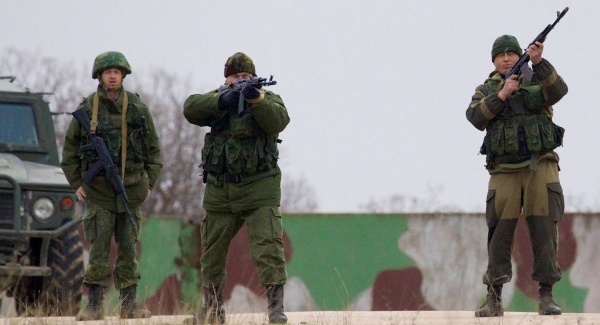
Rash, poorly conceived assertiveness by any of the powers seems more likely to inflame rather than resolve the situation.
As pressure mounts on all sides to confound the ambitions of the other, there is potential for the kind of grand gesture, for a great show of defiant, swaggering force, that could turn this conflict into the kind of catastrophe that would show again that Europe and Russia must, every few generations, underline their differences in another destructive cycle of mistrust, misunderstanding and something approaching cultural and political incompatibility.
There is no reason not to hope that sanity will not prevail and that a peaceful, if not entirely satisfactory, conclusion can be reached. No matter how bitter that process might prove, it certainly seems better than anything that might be imposed by the balaclava-wearing alternatives looming in the background.
Yesterday’s decision by Crimea’s parliament to join Russia, which will be subject to a referendum within 10 days, shows the momentum gathering around the crisis. Whether any worthwhile decision on something so very fundamental can be reached within 10 days is very questionable.
The integrity of that electoral process must be suspect too, but it is certain that if the proposal is vindicated, by whatever means, pro-Russian Crimea and President Putin will advance it as a democratically endorsed mandate to pursue their ambitions.
Even at this point in the standoff, there are lessons and questions for Ireland. Russia supplies continental Europe with around 30% of its energy via pipelines running across Ukraine. If anything jeopardised that supply, it would be foolish to imagine that it would not have an impact on us — and all countries in the eurozone. We still, despite warnings stretching back over decades, import almost 90% of our energy. The implications, as we try to rebuild our economy and create work, are stark and unavoidable. They might, however, provoke another of those flitting episodes when our energy security gets the attention it deserves.
Another facet worth considering is the determination — and the very high price paid by some of them — of a huge proportion of Ukraine’s population to develop and strengthen their links with the European Union.
They are doing this as a considerable minority in Ireland still question the EU’s role in our affairs, especially the role it and the ECB played when our economy collapsed. That those Ukrainians wish to leave a political culture that would probably have “burnt the bondholders” — as well as everyone else — makes the comparison even more pertinent. It is, however, unfortunate but likely that the obvious lesson around power and hierarchical relationships will be dismissed with the usual emotion and wishful delusion.
It is ironic and reassuring therefore that the strongest voice in Europe opposing Russian autocracy in Ukraine — German chancellor Angela Merkel — is a child of the old GDR, communist East Germany. She obviously learnt the lessons and is not afraid to apply them.

CONNECT WITH US TODAY



Be the first to know the latest news and updates










