Sea dumps rubbish back at us
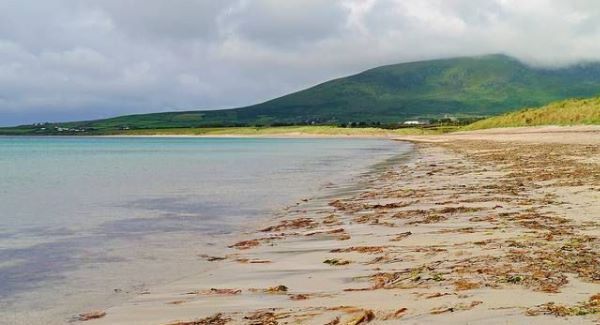
RECENT storms and awesome tidal surges not only did enormous damage to the coastline, they also washed in a startling volume of waste showing that large-scale dumping takes place at sea.

Sea dumps rubbish back at us

A post-storm walk along a south-western shoreline, in the past week, revealed a variety of discarded materials, mainly plastic but also pieces of fishing nets, Wellingtons, containers, food utensils, bottles and much more.

Not only is this stuff thrown overboard from vessels at sea, litter from land sources also gets into sewers, streams and rivers and ends up in the sea, posing additional threats to fish and the general marine environment.

According to the Irish Environment website, about 10% of marine waste is discarded fishing gear. Fish, birds and other sea creatures swallow pieces of litter that can eventually kill them. Globally, at least 43% of cetacean species (such as whales and dolphins), all species of sea turtles, about 36% of the world’s seabird species, and many species of fish have been reported to ingest marine litter. There is, of course, a cost to be borne through beach cleaning, loss of tourism from littered beaches and coasts, fouled ship propellers, and damaged fishing gear.

A further problem is that plastic can endure in the environment for hundreds of years and, rather that simply rotting and disappearing like other forms of waste, it partially breaks down from sunlight and into tiny particles.

All this rubbish and smaller plastic particles are gathered together and moved around by ocean currents, eventually forming vast “patches” of plastic waste, one of which in the Pacific Ocean is about the size of Europe, says Irish Environment.

Marine species get entangled or entrapped in plastic materials, and ingest the tiny particles. Studies show that 52 species of marine mammals have been affected, a million seabirds have been killed, coastal habitats have been destroyed, and seabeds smothered. Human health can be affected when people eat fish that have consumed tiny particles of oil-based plastic. Only about 21% of plastic is being recycled in the EU. Much of the rest is landfilled or left on land from where it can be washed into the sea.

In a 2012 EPA report, Ireland’s marine environment is treated as an “emerging issue,” along with fracking and the legacy of the Celtic Tiger. Within the marine environment, marine litter is mentioned as one of the pressing issues, including overfishing.

Irish Environment says the EU and our government can take direct action to ensure plastics are recycled with the issue of waste at sea presenting, perhaps, a stiffer challenge.

x

More in this section

Revoiced

Newsletter

Sign up to the best reads of the week from irishexaminer.com selected just for you.

Cookie Policy Privacy Policy Brand Safety FAQ Help Contact Us Terms and Conditions

© Examiner Echo Group Limited










