Polar bears are feeling the heat
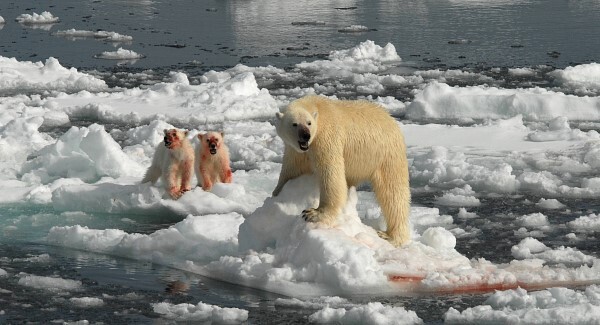
FOUR decades on from a watershed international agreement, 2013 was designated the Year of the Polar Bear.

Polar bears are feeling the heat

Protecting bears was one of the few issues on which East and West could agree during the Cold War era.

The 1973 Agreement on the Conservation of Polar Bears has served the animals well but now there are new threats. Climate change is altering the Arctic environment. Increases in the areas free of ice for much of the year are leading to demands for oil extraction and industrialisation. The World Wildlife Fund (WWF) is worried about the survival of Arctic eco-systems. Some experts believe that there will be two thirds fewer polar bears alive in 2050 than there are today. During 2013 the WWF collected signatures to a petition seeking greater protection for bears. Scientists embarked on a study in Russia’s Laptev Sea, and an international forum was held in Moscow.

Polar bears lie in wait at holes in the ice where seals surface for breath and haul out to rest. When the ice melts in the autumn, hunting ceases. With climate change, the melt is occurring earlier and bears have less time to catch seals. They find it harder to put on the extra fat needed to see them through the winter. The hunting season over, a female seeks out a den where she sleeps, fasting, until the spring. Her cubs are born in the depths of winter.

Emerging from her lair between February and April, she and her babies trek to the hunting grounds. Rising temperatures are reducing the area covered by ice which means longer journeys for mothers and cubs. With more open water, they may have to swim rather than walk. Anthony Pagano and colleagues, writing in the Canadian Journal of Zoology, say that ‘long-distance swimming is a response to declining summer sea-ice conditions’. GPS radio collars were fitted to 52 female bears in the Beaufort Sea off Alaska. Of 50 long-distance swims recorded for 20 bears over a six-year period, the average distance travelled was 155km. One bear covered 354km. Journeys took an average of 3.4 days. One ran to 9.7 days. The reduction in ice cover has opened the northern sea passages to shipping. Vessels using them may threaten swimming bears.

Less than half of the world’s polar bear populations have been adequately studied, so the WWF sponsored a scientific expedition to the Laptev Sea off Siberia, one of the most remote and inhospitable regions on earth. The scientists hope to solve an Arctic mystery. The Laptev Sea is equidistant from the Atlantic and Pacific oceans. Are its polar bears and walruses related to those of the East or the West? DNA extracted from tissue samples will, it’s hoped, reveal their ancestry.

The main event of the year was the International Forum on the Conservation of Polar Bears, held in Moscow. The five ‘Arctic State’ governments with responsibility for bears, Canada Greenland Norway Russia and the US, sent delegates. So did NGOs and indigenous communities. According to some commentators, the forum was an acrimonious affair. The antagonism this time around, however, was not between East and West but between governments and some NGO representatives. Government officials ousted about 20 ‘drama-queens’ and ‘activists with well-known agendas’ from some meeting sessions.

A widely publicised ‘tweet’ by Canada’s environment minister, Leona Aglukkaq, caused a furore. ‘My cousin caught his first polar bear last night. Community feast to follow in Arctic Bay’, she crowed and attached a photograph of the youth and the dead bear. Polar bear hunting is part of Inuit tradition; native people are allowed a quota of kills annually.

A bear conservation agreement was reached at the forum. States ‘will work on managing the polar bear’s home in ways that will take into account the Arctic’s shrinking ice, and increasing industrial interest’. The commitments were welcomed by WWF experts but they will ‘be watching to see that they are backed up by action’.

More in this section

Revoiced

Newsletter

Sign up to the best reads of the week from irishexaminer.com selected just for you.

Cookie Policy Privacy Policy Brand Safety FAQ Help Contact Us Terms and Conditions

© Examiner Echo Group Limited