Back to water basics
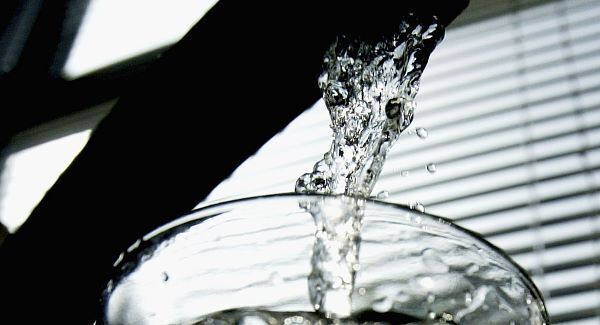
For instance, could rain water not be used for flushing toilets, washing cars and clothes, showers and other non-drinking purposes? Water is sure to be a hot topic in 2014. With people having to pay for the precious liquid, they will be looking at ways at making savings and cutting out wastage. We’re probably going to hear the term “water harvesting’’ much more in the future. It simply means the collection and storage of water that falls from the sky.
People in authority, nevertheless, are beginning to take the issue seriously and, recently Fine Gael Senator Cáit Keane urged Environment Minister Phil Hogan to introduce rainwater harvesting legislation as a part solution to water shortages in places such as Dublin.
She called for alternatives to using treated water for non-drinking purposes. The average person uses about 150 litres per day, but domestic water usage could be reduced by 50-70% if homes had the capacity to store rainwater.
The senator suggested Irish Water should introduce measures to better manage water resources and also noted that Dublin City Council Development Plan 2011-2016 had recommended that rainwater harvesting systems for new housing developments. Despite this recommendation, it was not included in the most recent building standards.
Factories, schools, hospitals and other buildings which use huge amounts of water could make big savings by harvesting.
Funny thing, however, water harvesting is not exactly new in rain-sodden Ireland. Our wise and prudent ancestors were good at it. You don’t have to be too old to remember a time when barrels could be found at corners of many houses to collect water flowing down the chutes. Nothing wasted then.
That day seems to be gone, but the practice could be brought back in a more sophisticated and effective way. More advanced systems are now available. Storage tanks can be installed above, or below, ground and they can be operated by a pump to distribute the water to toilets, etc.
A domestic tank can hold between 3,000 and 5,000 litres and the cost of a system for a house ranges from around €2,000 upwards. But, with water metering on the way, there would be savings eventually.
In Ireland, we rarely get prolonged dry periods that result in water shortages, but that might not always be the case.
CONNECT WITH US TODAY



Be the first to know the latest news and updates