Change in the air for autumn
Humans make arbitrary decisions about the timing of the seasons but plants, animals and birds know that the northern summer ends and winter begins in the middle of this month.
It’s very obvious in the bird world. The last of the summer migrants leave and the first of the winter migrants arrive in October. But there are also subtle changes in the behaviour of our resident birds. I was driving down a country road the other day and a great flock of goldfinches burst out of the hedge, flew about 20 metres and landed again. It did this several times and there were probably around a hundred birds in it.
Many small song birds — finches, tits, buntings — form winter flocks which travel quite long distances from the place where they bred. Bird flocks are usually explained as a defence mechanism, designed to give the individual a greater chance of surviving if a predator attacks. I believe they also help in foraging. As the winter progresses and stocks of seeds and fruits diminish, the collective eyes of the flock are more likely to discover hidden food supplies.
Starlings have also been forming flocks in the past week or two, gathering along telephone wires. And there’s a small rookery beside my local pub and, as I was sitting outside at dusk having a pint, I listened to the excited conversations of the rooks as they came in to roost. Rooks also form winter flocks, often combined with jackdaws.
I saw a fox in the field the other day and it was moulting. Replacing its light summer coat with thicker fur for the winter, much as my dog does. And, of course, the countryside is changing colour. Green is no longer dominant in the hedgerows. I went to check for hazelnuts and I found some, but decided to let them ripen on the tree for another couple of weeks before I picked them. This is always a tricky decision — if you ripen them indoors they are protected from birds, squirrels and mice. But about 10% of the hazel leaves were already yellow rather than green.
It was a good summer by human standards, and a fairly good one for wildlife. It was a bit harsh in spring, when many of the fruit-bearing trees and shrubs blossom, so it isn’t a bumper crop, but it’s not bad. And summer and early autumn were very dry which led to many seeds ripening early. But I believe the signs are that, if the winter is reasonably mild, there are enough resources to allow a good percentage of wild creatures to survive through the difficult months ahead.
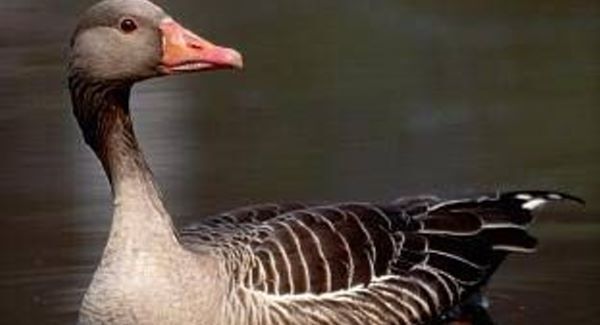
Most Irish wild geese are winter visitors, arriving in October and leaving again for their Arctic breeding grounds in March. But two species, the Canada goose and the greylag goose, have established year-round resident populations based largely on escapes from waterfowl collections. There are estimated to be about 30 flocks of these feral greylags in the country, numbering 900 to 1,000 birds, and they are commoner in northern and eastern counties. The number of wild winter migrants is probably around 10,000 birds. But recent research has shown that there is some interchange of individuals between the feral flocks and the wild winter migrants, making it very hard to tell one from the other. To further complicate matters the greylag goose is the species from which all domestic geese are descended and some can look very similar to their wild ancestors.
CONNECT WITH US TODAY



Be the first to know the latest news and updates