Motor fine evasion - Lawbreaking needs to be addressed
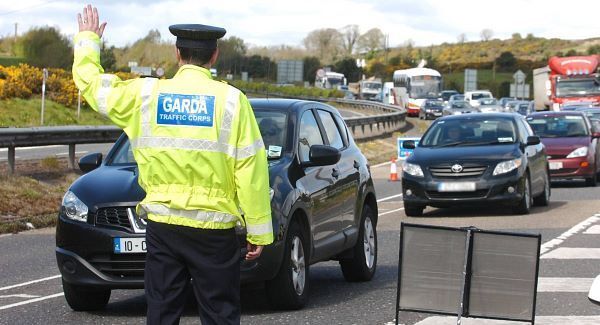
Is it possible that Seamus McCarthy, the comptroller and auditor general (C&AG) and the country’s public spending watchdog, is a better cop than the cops?

Motor fine evasion - Lawbreaking needs to be addressed

He has discovered that as many as one in five motorists in Ireland are evading fines because of deficiencies in the fixed penalty system.

Offenders are getting away with breaking the law because their cars are registered to a company and, thereby, cannot be traced or because An Post delivers the summons to the wrong address.

Motorists are also able to escape fines, penalty points or court appearances by having illegible number plates or because the wrong details on car ownership are on official systems.

McCarthy has called for the Garda authorities to urgently address “significant” shortcomings in the fixed penalty system to make sure it is fair.

But there is an air of familiarity about all this.

Earlier this year, Garda commissioner Martin Callinan ordered a review into the fixed charge penalty system. The system came under the spotlight after it emerged that senior gardaí were being investigated for mass wiping of penalty points from driving licences.

An investigation by assistant Garda commissioner John O’Mahony found that anonymous allegations made about inappropriate writing off of fixed charge notices could not be substantiated to any degree.

“On the basis of material examined, this examination has found no evidence to suggest any act of criminality, corruption, deception or falsification as alleged by the anonymous author,” his report last May, outlined.

In fairness to the gardaí, the comptroller and auditor general’s study does not reveal any corruption or criminality. However, it does provide a far more substantial insight into Garda operations than the gardaí themselves revealed. In its investigation into the fixed penalty system, the C&AG examined a sample of 300 penalty notices which were later overturned.

McCarthy found there was no apparent reason for quashing the penalties in 4% of cases, while more than half of them were cleared for “discretionary” reasons. In last May’s report, O’Mahony said his investigation highlighted certain “technical procedural breaches and inconsistencies” and, in some isolated cases, possible “individual failings”.

Now, McCarthy’s forensic approach to the task has put flesh on those failings. His report found that in more than 300 cases, penalty points should have been recorded on a driver’s licence but the Garda record did not match the State’s national driver vehicle file.

The comptroller and auditor general said there was no excuse for mismatch as the file is the official record and is updated and sent to the Garda authorities every week. It also found a significant number of the 3,000 notices became statute barred because of delays getting data into the Garda system from notepads and other devices. Lax use of Garda notepads was identified as an issue, with pages going missing or spoiled.

Nearly a quarter of road traffic offences involving a company car during 2011 and 2012 were quashed, the probe found. Almost half were not pursued. In contrast, last May’s internal Garda inquiry produced a report that was far more circumspect, describing the number of quashed penalty points as “relatively small”.

More in this section

Revoiced

Newsletter

Sign up to the best reads of the week from irishexaminer.com selected just for you.

Cookie Policy Privacy Policy Brand Safety FAQ Help Contact Us Terms and Conditions

© Examiner Echo Group Limited