Improving our heritage branding
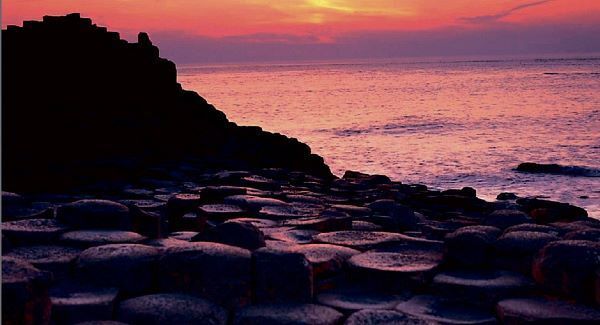
But what some of them may not realise is that our heritage is much more ancient and deeper than these centuries-old structures. Happily, a growing number of visitors are discovering our archaeological sites, including stone forts, many of which date back thousands of years and are still quite well preserved.
Apart altogether from the intrinsic value of such sites, their importance as visitor attractions is growing. Latest statistics available from Fáilte Ireland show that in 2011 an estimated 3.4m overseas visitors engaged in cultural and heritage activities while in Ireland, spending an estimated €2.7bn during their stay.


Read

Listen

Watch

Play
CONNECT WITH US TODAY



Be the first to know the latest news and updates







Revoiced
Newsletter

Had a busy week? Sign up for some of the best reads from the week gone by. Selected just for you.

Check out our diverse library of newsletters and get the best of the Irish Examiner delivered straight to your inbox
Most Read
Thursday, October 1, 2026 - 11:00 AM
Thursday, October 1, 2026 - 1:00 PM
Wednesday, September 30, 2026 - 5:00 PM